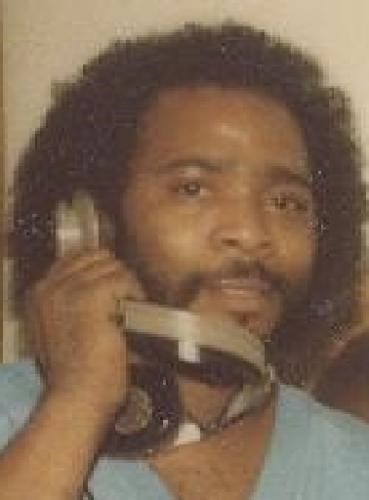
Dettrick Ramsey, a 61-year-old Black man from Birmingham, Alabama, died on July 13, 2015, after an early-morning house fire tore through a home on Redstone Way in northeast Birmingham. At first, it looked like a fatal fire scene, the kind of sudden neighborhood tragedy that leaves people standing in their yards before sunrise, watching flashing lights bounce across the street. Firefighters were called out around 4:22 a.m., and Ramsey was pulled from the burning house, but he did not survive. Early reports said he was found in a hallway, and investigators believed he had been trying to get out as the flames spread through the home.
What made the case more haunting was what came next. After the Jefferson County Coroner’s Office examined the death, the case was no longer treated as only a fire fatality. Authorities said there was enough evidence to classify Ramsey’s death as a homicide, turning the scene from a devastating blaze into the site of a killing. News coverage from the time described the fire as having started in a back room area of the house, while investigators looked at evidence gathered from both inside and outside the residence. That shift in classification changed the story completely: this was not simply a man overcome by smoke and flames, but a death that officials believed had been caused by another person.
The public details that emerged were sparse, which often makes a case feel even heavier. There was no widely reported narrative explaining exactly what evidence led the coroner to rule the death a homicide, and the available reporting did not lay out a suspect’s name, a clear motive, or a step-by-step account of what happened inside the house before the fire began. Instead, the known facts remain fixed around those grim early-morning moments: a house in flames, a man trying to escape, and a death that investigators ultimately believed was no accident. Ramsey’s obituary confirmed his date of death and placed his funeral services in Birmingham just days later, while the criminal side of the case seemed to fade from public view rather than move forward in a visible way.
As for arrests, suspects, charges, trials, or convictions, I did not find any reliable online reporting showing that anyone was publicly identified or taken into custody in connection with Ramsey’s death. Based on the publicly available coverage I found, the case was reported as a homicide investigation, but no later news reports or official updates surfaced online to show that it resulted in an arrest or prosecution. That leaves Ramsey’s death standing as a deeply unsettling case from Birmingham in which the fire was only the surface of the story, and the more troubling truth underneath it appears never to have been publicly resolved.