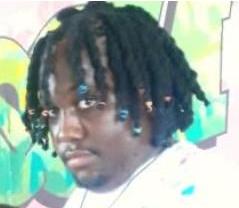
Marvin Anthony Hills, a 24-year-old Black male from Savannah, was gravely wounded in the early hours of January 17, 2014, when gunfire erupted near Martin Luther King Jr. Boulevard and West Victory Drive. According to Savannah-Chatham Metropolitan Police, off-duty officers heard shots around 3:11 a.m. and found Hills suffering from a gunshot wound inside a car that had come to a stop in the 2700 block of MLK Boulevard. He was rushed to Memorial University Medical Center, where the fight for his life continued for days before he died from his injuries later that same date. Local reports and his obituary place him at the center of a loss that moved quickly from a shooting investigation to a homicide case, leaving his family to prepare for a funeral less than two weeks later in the city he called home.
What is publicly described about the shooting is sparse, and that sparseness seems to define the case. Police said only that Hills was discovered after the shots were heard, and early coverage offered no account of who fired, what led to the violence, or whether Hills had been targeted before the car rolled to a halt. By January 21, authorities confirmed that he had succumbed to the wounds from that morning’s attack, and the case was being handled as one of two homicide investigations then underway. The few details that surfaced made the scene feel especially abrupt: a car stopped in the dark, officers moving toward the sound of gunfire, and a young man from East 31st Street pulled into a fatal case before dawn had fully broken over Savannah.
As for suspects, arrests, or later court action tied directly to Hills’s killing, the online sources reviewed did not identify a named suspect, an arrest, an indictment, a trial, or a conviction in his case. The official police notices that followed his death still asked the public for information, and the available local reporting located here did not advance beyond that stage. In the record that remains online, his death reads less like a case that reached a public resolution and more like one that opened in violence and then receded into silence, with only the basic facts of where he was found, how badly he was hurt, and the confirmation of his death left behind in accessible reporting.