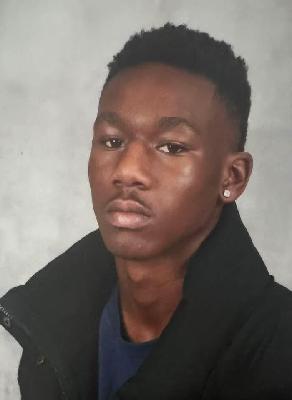
Roger Lee Feggins III was 16 years old, a Black male from Columbus, Georgia, and the final hours of his life unfolded in the darkness before dawn on August 28, 2021. In the early morning, police were called to the 1200 block of Knight Drive after reports of a shooting. When officers arrived, they found Roger suffering from a gunshot wound. He was rushed to Piedmont Columbus Regional, but he did not survive.
The loss hit with the kind of suddenness that leaves a neighborhood stunned and a family trying to understand how an ordinary summer night turned into a death investigation.
What can be pieced together publicly is heartbreakingly brief. Roger was identified soon after the shooting, and his death was taken up as a homicide investigation by the Columbus Police Department. His obituary places him firmly in Columbus, surrounded by family, with his parents named and his survivors listed, a reminder that behind the police language and the sparse public facts was a teenager whose life extended beyond the crime scene. Public memorial pages connected to his death also describe him as a young person known in his community, the kind of detail that makes the case feel even more tragic because it hints at the life he was living before it was cut short.
In the years since, the public record has remained painfully thin. Columbus police still list Roger Feggins’s killing among the city’s unsolved homicides, and the location attached to his case remains 1203 Knight Drive. That listing is significant because it shows the case has not been cleared and continues to stand as an open murder investigation rather than a solved one that simply faded from public attention. The official unsolved designation suggests that, at least in the information released publicly, investigators have not closed the case or announced that they have identified the shooter.
As for suspects, arrests, or charges, there does not appear to have been any public announcement identifying a suspect in Roger’s death, nor any publicly reported arrest, indictment, trial, or conviction tied to this homicide. In a case like this, that absence tells its own story. It means Roger’s name remains attached not to courtroom updates or sentencing hearings, but to the unanswered space that unsolved killings leave behind. His death is remembered in the record as a teenage life taken by gun violence on a Columbus street before sunrise, with the central question of who pulled the trigger still hanging over the case.