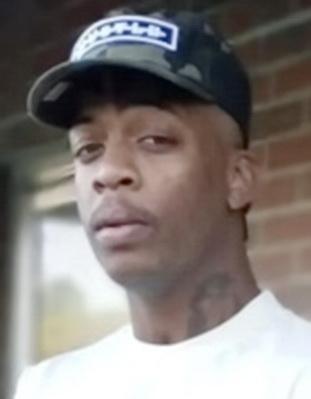
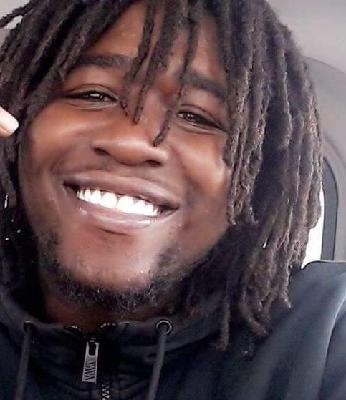
Dominique Horton, a 22-year-old Black male, was killed in Columbus, Georgia, on January 5, 2017, after what began as a chaotic neighborhood gathering turned deadly. Contemporary reports said a large crowd had gathered outside an apartment complex near Cusseta Road and 32nd Avenue to watch a fight between two female juveniles. In the middle of that commotion, gunfire broke out. Horton was found shot near a row of mailboxes, and another man was wounded in the same burst of violence.
Horton did not survive.
The picture painted by the early reporting is of a scene that unraveled in seconds: a crowd, a fight, tension already high, and then bullets cutting through the noise. Local coverage referenced police saying the fight that preceded the shooting appeared to have been captured on video, and other reporting from the time said investigators released a suspect description as they tried to identify the gunman. The killing happened fast, in public, and in front of enough people that police believed someone in that crowd knew exactly how the night turned from a spectacle into a homicide.
As for suspects and arrests, the online record is uneven. Publicly accessible sources tied to the case consistently preserve the basic facts of Horton’s death, but clear, authoritative follow-up reporting on final case outcomes is much harder to pin down. One later online case summary says two suspects were arrested in connection with the shooting and identifies them as Dondre Hill and William Washington, with Hill described as facing murder, aggravated assault, and firearm charges, and Washington described as facing murder and firearm-related charges. But because that arrest information was not matched by the stronger primary and local sources I was able to verify here, it should be treated more cautiously than the core facts of the shooting itself.
What is firmly documented is that Horton’s death became part of Columbus’s long memory of street violence: a young man killed after a crowd gathered for one kind of confrontation and ended up witnessing another, far worse one. The available online sources preserve the outline of that night with painful clarity, but the public trail grows thinner when it comes to a definitive account of arrests, prosecution, trial, or conviction, leaving the story feeling unfinished even years later.