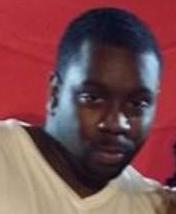
Maurice Dukes, 28, a Black/African American man, was working an early-morning security shift on October 20, 2015, when violence found him in Woodlawn. Just after 7 a.m., officers were called to a newly built apartment complex along 1st Avenue South, where he was discovered slumped in the driver’s seat of a blue Ford Mustang, shot and pronounced dead at the scene.
The place was already waking up, but the parking lot held the hush of a life interrupted mid-duty, the kind of loss that feels especially cruel because the victim was there to keep others safe.
As detectives began piecing together what happened, police described the killing as targeted, not random. The scene suggested Dukes had been approached while seated in the car, and later reporting framed the shooting as occurring during a robbery while he worked security at The Park at Wood Station apartments on 1st Avenue South. In the days that followed, his death settled over Birmingham as another hard entry in a year already heavy with homicide, while investigators leaned on tips and public help to push beyond the first shock of the crime scene.
Months passed before the case broke open. On February 25, 2016, Birmingham police announced an arrest: Michael Bragg, 20, of Birmingham. Investigators said they obtained a capital-murder warrant with no bond and placed him in the Jefferson County Jail, crediting citizen information for helping them close in on a suspect. The arrest marked a turning point—moving the story from unanswered grief toward courtroom consequences, and turning community whispers and leads into a name, a set of charges, and a jail cell.
The legal case continued beyond the arrest. Later accounts report that Bragg was indicted by a grand jury in June 2016, and that the capital-murder case ultimately shifted into a plea: he later pleaded guilty to reckless manslaughter and received a sentence of 15 years and six months in prison. What began with a security guard found dead in his car ended with a conviction on a lesser charge than the one first announced—an outcome that still anchored responsibility to a specific defendant, even as it left the tragedy’s final contours shaped by negotiations, evidence, and the realities of prosecution.