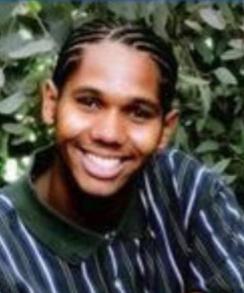
Jesse Watson, a 19-year-old from Oceanside, California, tragically lost his life on August 31, 2004. On that fateful evening, Jesse was helping his foster mother and siblings move out of their condominium in an area of Oceanside claimed by the Deep Valley Crips, a local gang. Although Jesse was not a member of the Crips, he was wearing blue, a color associated with the gang, and had friends affiliated with it.
As he was loading belongings into a truck, he was approached by members of the rival Deep Valley Bloods gang. One of the assailants, United Levao, fired a shotgun at Jesse, while another, Jordan Andrew Potts, fired multiple shots from a handgun. Jesse succumbed to his injuries at the scene, having suffered two shotgun wounds to his back and a gunshot wound to his arm.
The investigation into Jesse's murder quickly led to the arrest of Levao and Potts. Witnesses provided descriptions that helped police connect the suspects to the crime. Both Levao and Potts were charged with first-degree murder, with additional allegations that they personally used firearms causing great bodily harm and committed the crime for the benefit of a gang. The trial revealed that the attack was gang-related, motivated by the ongoing rivalry between the Deep Valley Bloods and the Deep Valley Crips.
During the trial, the defense argued that the gang enhancement allegations should be removed, but the court denied this motion. The trial also included testimonies about the defendants' gang affiliations and the circumstances leading up to the shooting. Ultimately, both Levao and Potts were convicted of Jesse's murder. The court imposed a 15-year minimum parole eligibility term, modifying the original judgments to strike the ten-year gang enhancements.
Jesse Watson's death highlighted the severe impact of gang violence in Oceanside and the ongoing conflict between rival gangs in the area. The case drew attention to the need for community intervention and efforts to curb gang-related activities to prevent further tragedies.