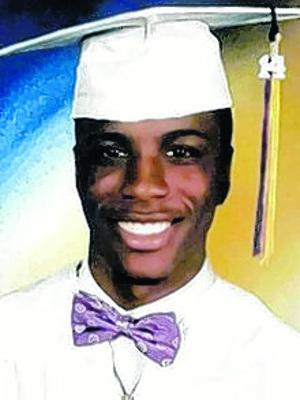
Gregory Hargrove was 19 when he died in New Orleans, Louisiana. He was a young Black male, and the fact of his age makes the loss land with a particular kind of ache, the kind that comes from knowing a life barely had time to unfold. He is remembered not only as Gregory, but also by the nicknames “Dudas” and “Bouncer,” names that suggest a personality people knew well enough to label with affection and familiarity, the sort of names friends call out across a room, the sort that stick
because the person behind them was unforgettable.
He was the son of Vanessa Hargrove and Gregory Chapman, and even in the brief lines that preserve his family ties, it’s clear he stood at the center of a large, living network of love. He was a brother to Ashley Green and Gregory Tillery, and he was part of a family that stretched wide with stepsiblings, a god sister, a nephew, aunts and uncles, cousins, and friends. Reading the names and relationships is like watching a circle form around him, each connection a reminder that his absence didn’t fall into a single space, it rippled outward through many hearts at once.
His community gathered for him in a way that tells its own story. A service was held at Joseph S. Clark Sr. High School on North Derbigny Street, with visitation before the service and burial at Providence Memorial Park. There is something deeply human about that detail, about people needing a place big enough to hold their grief, big enough to hold the memories and the shock and the love that doesn’t know where to go. A high school gym or auditorium is not just a building in moments like that. It becomes a shelter for sorrow, a place where voices tremble during prayers, where someone clutches a folded program until it’s soft, where the silence between words feels heavier than the words themselves.
The way he is described—beloved son, brother, and friend—does not read like formality. It reads like truth. It reads like the kind of love that makes people show up even when they don’t know what to say. It’s the kind of loss that changes the sound of a household, the kind that makes a mother’s world feel suddenly off balance, the kind that makes siblings measure time by “before” and “after.” It’s a reminder that behind any short public notice is a long private story: the ordinary mornings and late-night laughter, the arguments that ended in forgiveness, the plans that were still being made, the hopes that were never supposed to end so soon.
No other publicly available details are provided here about what led to Gregory Hargrove’s death, and nothing in the information at hand speaks to suspects, arrests, charges, or a case moving through the courts. What remains instead is the portrait formed by the people who claimed him as theirs. A young man with a name people said with familiarity. A son and brother whose place in his family was clearly cherished. Someone whose life mattered enough that an entire community needed to gather, to witness, to mourn, and to try—together—to carry what comes after.