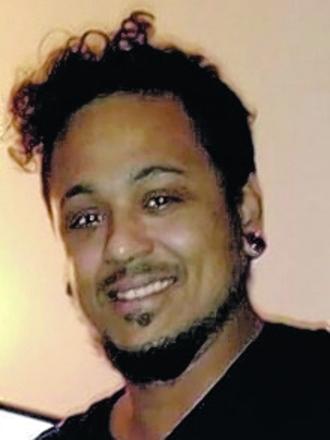
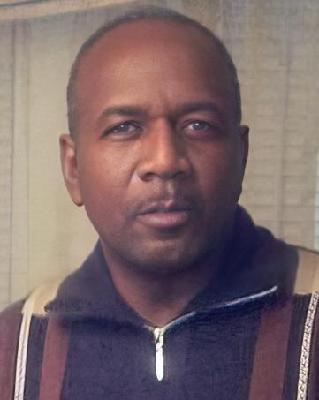
Garry Hollins was a 44-year-old Black man from New Orleans, Louisiana, and the fact of his death carries a weight that is hard to put into words even when the details are scarce. When a life ends, it does not end in isolation. It ripples outward into the people who knew his laugh, recognized his footsteps, shared meals with him, argued with him, forgave him, leaned on him, and loved him. It changes the shape of ordinary days in ways that outsiders rarely see, and it leaves behind a quiet space where a voice used to be.
There is something especially painful about a story that arrives with so few public answers, because it forces the imagination to fill in what the record does not. Somewhere in New Orleans, there are corners and streets and familiar routines that once included Garry—places he passed through, people he greeted, errands he ran, moments he planned to return for. After his death, those same places do not feel the same to the people who connect them to him. Even the most everyday details can become reminders: a neighborhood route that suddenly feels heavier, a phone that no longer rings with his name, a family gathering where someone instinctively looks toward the door before remembering he will not walk through it.
What is known is simple and stark: his name, his age, and where he was from. But a person is always more than the brief facts that survive them. He was someone’s child before he was anything else, and likely someone’s friend, neighbor, or coworker. He had a history that started long before the moment his life ended—years that held both ordinary struggles and the small joys that make a person themselves. Whatever the circumstances of his death, the loss is not abstract to the people who held him in their hearts. It is real, and it is daily, and it is unfair in a way that words cannot smooth over.
Without confirmed public details about suspects, arrests, or what led to his death, the questions remain open, and that openness can feel like its own kind of wound. When answers are missing, grief has fewer places to settle. It turns restlessly between sorrow, disbelief, and the aching need for clarity—because to know what happened is not just to satisfy curiosity, but to restore dignity to a story that ended too soon. For the people who cared about Garry Hollins, the hope for truth and accountability is not a headline or a case number. It is a promise they want the world to keep: that his life mattered, that his name deserves more than a passing mention, and that what happened to him should not be allowed to fade into silence.
In the end, the most important thing to hold onto is that Garry Hollins was here. He lived in New Orleans and left an absence that cannot be measured by how much information is available about the circumstances of his death. The love that existed around him did not disappear when he did, and neither did the right to seek answers. His story deserves to be remembered with tenderness, and with the plain insistence that a human life—his life—should never be reduced to a line that ends without explanation.