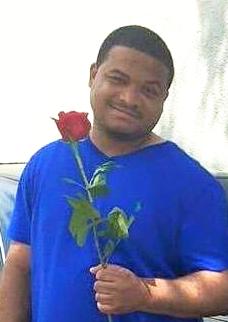
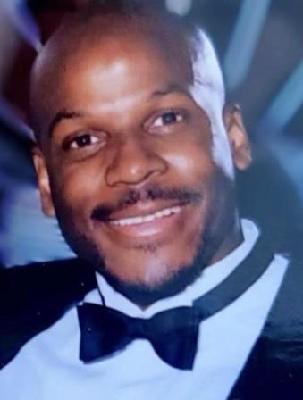
On July 20, 1977, Johnathan “John” Quinn, a 34-year-old man, vanished into an evening that would end in a warning written in gunfire. Accounts tied to later reporting and court scrutiny describe him as tangled in New York’s stolen-car world and suddenly exposed to something far more dangerous: he had testified before a grand jury, the kind of step that could turn a hustler into a liability overnight.
What followed has been repeatedly attributed to the orbit of Roy DeMeo’s Gambino-linked crew. The version most often repeated in those sources is stark and deliberate: Quinn was shot once in the back of the head with a. 32-caliber handgun, killed quickly, and then left where he would be found—dumped along a road in Dongan Hills on Staten Island the same night. His girlfriend, Cherie Golden, was also killed, shot multiple times in the head; days later her body was discovered inside a car abandoned in the Gerritsen Beach area of Brooklyn. The placements of the bodies, described as intentional, were meant to be seen, meant to be understood by anyone thinking of talking.
In the telling that grew around the case, the suspects were not strangers or random predators but people with a reason: men moving under the DeMeo crew banner, enforcing silence around a lucrative pipeline of stolen vehicles and the crimes that traveled with it. Quinn’s death is described as retaliation for cooperation, a blunt message to the wider network that subpoenas and grand juries came with consequences.
Years later, that same criminal world was dragged into open court by sprawling federal prosecutions. A major multi-defendant indictment targeted the DeMeo crew’s racketeering and related crimes, and the trials that followed painted a picture of an enterprise fueled by theft, intimidation, and calculated violence. Convictions mounted—first against some crew members in the mid-1980s, then again in 1989, when figures such as Anthony Senter and Joseph Testa were convicted in a federal racketeering case that included multiple murder counts and resulted in life sentences plus additional time. While the public record of those prosecutions established the broader pattern of violence and the identities of key enforcers, sources discussing Quinn’s killing more often frame it as part of that violent history than as a standalone homicide case resolved in the usual way with a single murder trial focused solely on him.
In the end, Quinn’s story sits where so many mob-linked deaths do: pinned to a crew’s reputation, reinforced by later testimony and broader racketeering cases, but still feeling like a scene ripped from the middle of a much larger crime—one where the motive is clear, the likely perpetrators are named again and again, and the killing itself reads less like a mystery than an execution meant to echo.