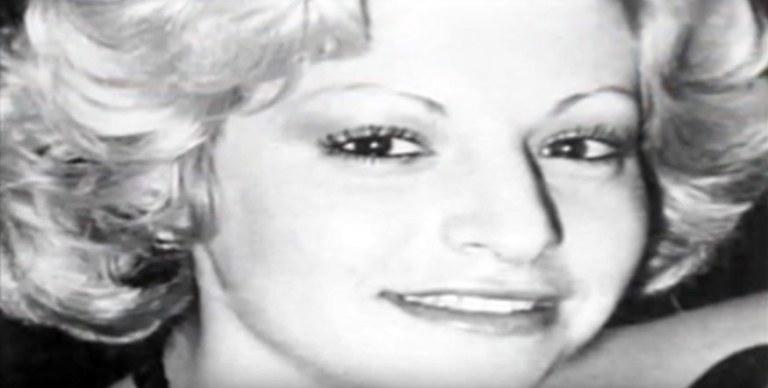
On a stifling night in the summer of 1977, with New York already rattled by a string of seemingly random shootings, Stacy Robin Moskowitz, a white 20-year-old woman from Brooklyn, New York, climbed into a car with Robert Violante for what was supposed to be the start of something ordinary: a first date, a movie, and a drive that ended along the water in Bath Beach.
They lingered in the parked car, trying to borrow a few quiet minutes from a city that felt anything but quiet.
Somewhere nearby, traffic officers were writing tickets on the street. Then the night cracked open—glass bursting, the sharp violence of gunfire through the window, and the sudden, unbelievable shift from flirtation to survival. Violante was hit in the head and would live with catastrophic injuries, losing an eye and most of the sight in the other. Moskowitz was gravely wounded beside him, her life slipping away in the hours after the attack.
By the next day, Moskowitz was dead, and the city’s dread hardened into fury. The shooter—already branded in headlines by the size of his bullets—had struck again, this time in Brooklyn, and the finality of her death made the hunt feel desperate and personal. Investigators returned to the scene and reassembled the fragments: the witness who noticed the ticketing and the suspicious figure nearby, the memory of the police writing summonses in that exact area, and the paper trail that suddenly mattered more than any rumor or psychic tip.
That trail led straight to a yellow Ford Galaxie, and from the car to its owner: David Berkowitz, a postal employee living in Yonkers. On August 10, 1977, police moved in and arrested him, ending the manhunt that had consumed the city. Afterward, Berkowitz confessed to the shootings attributed to the “Son of Sam,” first spinning lurid claims about demonic influence before later walking that story back.
In court, Berkowitz ultimately pleaded guilty to the murders, including Moskowitz’s, along with related counts tied to the surviving victims of his attacks. He was sentenced in 1978 to six terms of 25 years to life, imposed consecutively, for the six killings in the series. No other person was convicted for Moskowitz’s death; the case was folded into the larger prosecution that held Berkowitz responsible for the yearlong spree, and he has remained imprisoned for decades, repeatedly denied parole.