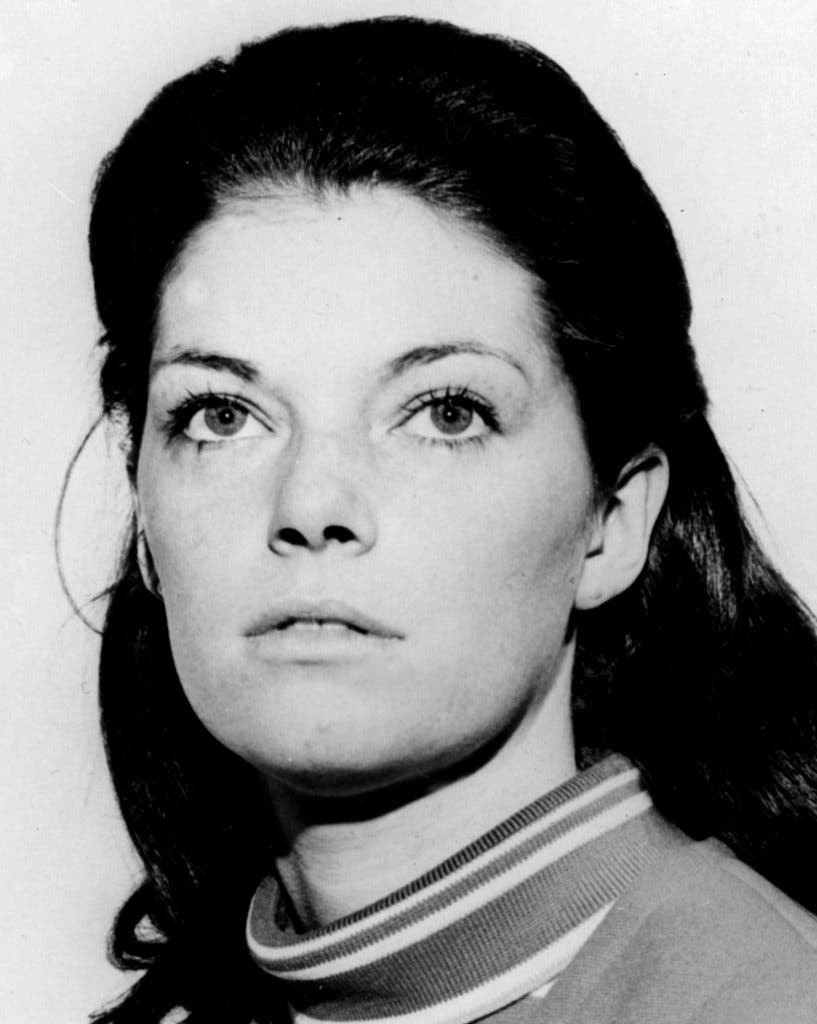
Nesline Little was a 55-year-old woman from North Amityville, New York, whose life ended in a gunshot killing on October 14, 1985. She was remembered locally as a steady presence—someone who worked with children through the Head Start program and stayed active in the community, the kind of neighbor people spoke of with quiet respect after the unthinkable happened.
The accounts that survive describe an ordinary evening collapsing into shock: Little was found slumped in a dining-room chair at her home, shot in the forehead. Investigators believed the weapon was a hunting rifle found at the scene, and they noted the wound caused significant damage to her skull. The discovery was made by her son, a New York Housing Authority police officer, who came upon her at about 6:45 p.m.
In the hours that followed, attention narrowed to one man. William Russell Minor, 59, described as Little’s common-law partner, emerged as the prime suspect Suffolk County homicide investigators were trying to locate for questioning. Instead of being caught in a sweep or tracked down by a tip, he surfaced far from Long Island—inside a bar in Chester, Pennsylvania—where, according to police, he broke down, cried, and told an off-duty officer that he had shot his wife back in New York. The officer, identified as patrolman George Johnson, took Minor—who was not armed—into custody at the police station, and Suffolk County authorities requested that he be held. Minor was arrested as a fugitive at about 1:30 a.m. at the Rainbow Inn.
At the time of that reporting, investigators said ballistics testing had not yet been completed to confirm the rifle as the murder weapon, and the public record available online centers on the arrest and the immediate aftermath rather than a full courtroom narrative. What remains clearest is the shape of those first days: a community teacher and neighbor found dead at home, and a suspect who, hundreds of miles away, appeared to surrender under the weight of what he said he’d done.