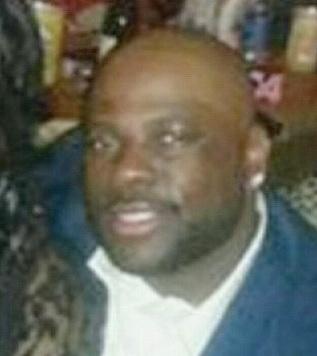
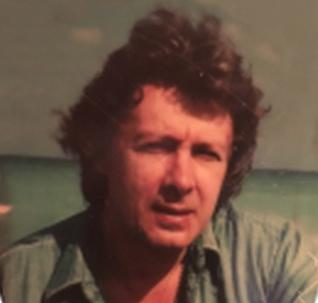
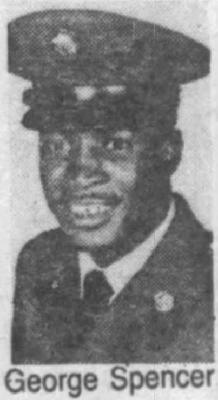
In the summer of 1989, the burgeoning world of hip-hop was robbed of a burgeoning genius. Paul C. McKasty, a 24-year-old male of Irish descent, was a producer and engineer from Queens, New York, whose innovative techniques were already shaping the sound of the genre. He was known for his meticulous work with the E-mu SP-1200 sampler, creating crisp, layered beats that would become a hallmark of East Coast hip-hop's golden age.
His talent was sought after by a roster of artists who would go on to become legends, including Ultramagnetic MCs, Eric B. & Rakim, and Queen Latifah. McKasty was not just a technical wizard; he was a mentor, generously sharing his knowledge with a young Large Professor, who would carry his sonic legacy forward.
On the night of July 17, 1989, McKasty was in his Rosedale, Queens, home that he shared with his mother and brother. After a late-night session at the studio, he was dropped off at his house. Sometime during the night, an intruder, or intruders, entered the home and shot McKasty multiple times in the head and neck as he slept in his basement bedroom. His brother discovered his body the next morning. The brutal and seemingly senseless act sent shockwaves through the tight-knit hip-hop community, leaving friends and collaborators stunned and searching for answers. Those who knew him described him as a kind-hearted and focused individual, not involved in any activities that would make him an obvious target.
The investigation into Paul C. McKasty's murder was fraught with speculation and ultimately, frustration. Early on, suspicion fell on a former associate, but the case against him was weak and the charges were quickly dropped due to a lack of evidence. The case eventually grew cold, but a break seemed to come in February 1990 after McKasty's murder was featured on the television show 'America's Most Wanted.' An eyewitness identified a man named Derrick 'Little Shine' Blair as having been seen leaving the McKasty residence on the night of the murder. Blair was arrested in North Carolina, but this lead also failed to result in a conviction.
To this day, the murder of Paul C. McKasty remains unsolved, and no one has ever been brought to justice for his death. The lack of resolution has left a void in the history of hip-hop and a lingering pain for his family and those who recognized his immense talent. The case files sit in a Queens police station, a cold case that represents the tragic loss of a visionary artist on the cusp of mainstream recognition. His influence, however, endures in the countless producers he inspired and the timeless music he helped create.