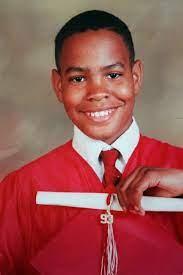
On a rainy September evening in 1994, the sounds of children playing 'cops and robbers' echoed through the stairwell of the Gowanus Houses in Brooklyn, New York. Among them was 13-year-old Nicholas Naquan Heyward Jr., a bright and promising honor student who dreamed of becoming a doctor or a professional basketball player. The boys were using colorful plastic toy guns, but their innocent game was about to take a tragic and irreversible turn.
That same evening, New York City Housing
Authority Police Officer Brian George was responding to a report of gunfire in the area. As he entered the stairwell of Nicholas's building, he encountered the young boy holding his toy weapon. Accounts from Nicholas's friends who were present state that he immediately dropped the toy and tried to explain, 'We're only playing.' In a swift and fatal action, the officer fired a single shot, striking the seventh-grader in the stomach. Nicholas was rushed to a hospital in Manhattan, where he succumbed to his injuries eight hours later.
In the aftermath of the shooting, the Brooklyn District Attorney's Office conducted an investigation. Officer George claimed he feared for his life, believing the toy gun was real. The District Attorney, Charles Hynes, ultimately deemed the shooting a 'justifiable homicide,' and no charges were ever filed against the officer. The case was closed without ever being presented to a grand jury, a decision that has been a source of enduring pain and frustration for the Heyward family and their supporters.
Over the years, Nicholas's father, Nicholas Heyward Sr., has tirelessly fought to have the case reopened and for the officer to be held accountable. In 2015, then-Brooklyn District Attorney Ken Thompson did launch a review of the case, interviewing original witnesses and re-examining the evidence. However, the outcome remained the same; the office concluded that there was insufficient evidence to press criminal charges against now-retired Officer George. The death of Nicholas Naquan Heyward Jr. remains a profound loss for his family and a stark reminder of the tragic consequences that can arise from the intersection of child's play and perceived threats.