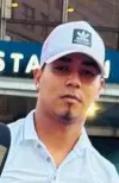
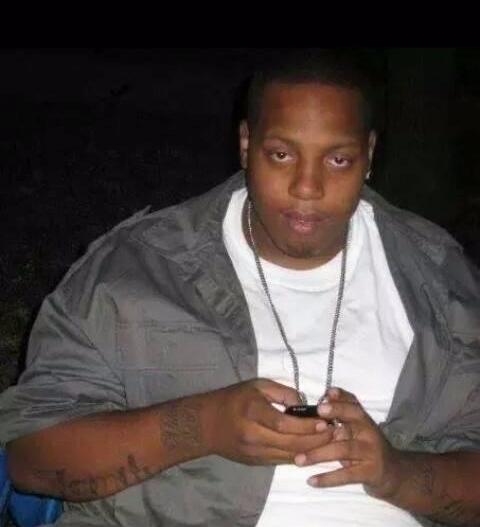
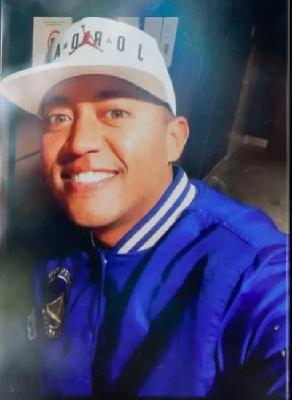
Frank Mercado, a 29-year-old Hispanic/Latino man from Brooklyn, New York, died on December 20, 1996, his name preserved online as one of the lives cut short by gun violence. The entry is spare on the details that usually surround a death—no street corner, no neighborhood cross streets, no rundown of who was with him in his final hours—only the stark pairing of a date and a borough, enough to place him in time and to suggest the suddenness of what happened.
In the years since, the memorial page has become a kind of gathering place in miniature, shaped by the rituals of strangers and those who may have known him. People can “light a candle” for him there, and the page tracks the growing count, as if keeping watch when the rest of the world moved on. The profile’s editable fields also show traces of a life beyond the statistic: a nickname appears there as Nitty, and the page includes an entry indicating three children, small details that read like someone’s attempt to pull him back from anonymity and into memory.
But when it comes to the questions that follow any killing—who did it, why, and what became of the case—the public-facing record on these pages falls silent. The memorial listing does not name a suspect, does not mention any arrest, and does not describe an investigation, charges, a trial, or a conviction. If there were leads chased down in the days after his death, or if someone was ever held to account, those developments are not reflected in the information available in these online entries.
What remains, instead, is the outline: a man lost in Brooklyn on a winter Friday in 1996, remembered in a database that insists each victim was a person and not just a number. The page invites photos and stories that might fill in what the record doesn’t, and it sits among countless others—an open door for anyone who still carries his name, and a quiet reminder that for some families and communities, the ending never fully resolves into answers.