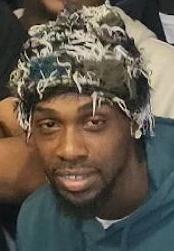
Brian Thompson was a 60-year-old Black man from Brooklyn, New York, whose life ended on November 28, 2021. His name carries the weight of a full story—years lived, mornings started, conversations shared, and ordinary routines that quietly stitched together a life that mattered. When a person dies, the world keeps moving in the way it always does, but for the people who loved him, time doesn’t simply continue; it changes shape. Every familiar place becomes a little unfamiliar.
Every expected call becomes a silence you can’t stop listening for.
Brooklyn is made of neighborhoods that hold memories the way brick buildings hold warmth—by absorbing the days, the seasons, and the footsteps of the people who pass through. Brian belonged to that fabric. He belonged to corners that knew him by face, to streets that witnessed his comings and goings, to the small daily exchanges that never seem important until they’re gone. A life rooted in a place isn’t only about an address; it’s about the invisible map of relationships and habits, the unspoken sense of being known.
There is a particular kind of heartbreak that comes with losing someone whose presence felt steady, someone you could picture doing the same simple things tomorrow that they did yesterday. Death interrupts the ordinary, and it leaves behind unfinished sentences. It leaves behind the strange feeling that the world has made a mistake, that someone who should still be here has somehow slipped out of reach. Grief doesn’t always announce itself in dramatic moments. Sometimes it arrives in the smallest details—the empty chair, the name that appears in a contact list, the way you instinctively reach for a memory as if it could turn into a conversation.
For those who knew Brian, there will be stories that don’t fit into any brief account: the way he laughed, the opinions he held, the kindness he showed, the frustrations he carried, the hopes he kept private. There will be people who remember him in different versions—family, friends, neighbors—each holding a piece of him that no one else can fully see. That is how a person stays real after they’re gone: not as a single narrative, but as a thousand moments, scattered across the lives they touched.
November 28, 2021 is a date that marks an ending, but it does not capture the fullness of what came before it. It doesn’t hold his childhood, his turning points, his hard-earned lessons, or the quiet triumphs that never made headlines. It doesn’t hold the work he put into simply getting through days that were difficult, or the love he gave in ways that may have seemed small at the time. Yet the date matters because it is now stitched into the lives of those who must carry forward without him.
In the wake of a loss like this, people search for something solid to hold onto. They hold onto photographs. They hold onto voicemail recordings. They hold onto the last ordinary moment that now feels sacred. They hold onto the idea that a person is more than the fact of their death—that Brian Thompson was not just someone who died, but someone who lived. Someone who belonged. Someone whose absence will be felt in the spaces where he once stood, and in the hearts that still say his name like a prayer for things to have been different.