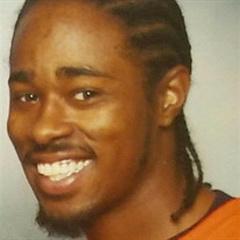
In the winter of 2014, the life of Martin Paulk II, a 23-year-old male musician from Syracuse, New York, was tragically cut short. On a Tuesday in early January, Paulk was fatally shot on the city's North Side. As he lay dying, he provided a crucial piece of information to the police, identifying one of his alleged assailants by the name of 'Cito.'
This dying declaration would become a pivotal element in the investigation and subsequent legal proceedings that followed the violent incident which involved two men.
The investigation into Paulk's death led to the arrests of two individuals: George 'Cito' Colon and Alfred 'Merc' Thomas. A witness to the shooting reported seeing two men open fire on Paulk. Based on the evidence, including Paulk's final words, the case against the two men went to trial. The outcomes for the co-defendants, however, were starkly different. On September 3, 2014, a jury found George Colon guilty of the murder of Martin Paulk II.
In a surprising turn of events, the same jury acquitted Alfred Thomas of the murder charge. Despite the acquittal, Thomas would later draw significant attention to himself through a series of startling admissions on social media. Roughly a month after the verdict, Thomas took to Facebook and, in response to a news story about Colon's sentencing, began to make posts in which he claimed responsibility for the shooting. He even posted a video of the crime scene, asserting his own guilt and his co-defendant's innocence.
These online confessions did not go unnoticed by law enforcement. Despite his acquittal on state murder charges, which protected him from being tried again for the same crime under double jeopardy laws, federal authorities took an interest in his statements. The FBI obtained a search warrant for his Facebook account and used his posts against him in a separate, pending federal case involving a charge of being a felon in possession of ammunition. A judge in that case cited Thomas's Facebook admissions as compelling evidence that he posed a danger to the community, leading to his incarceration pending the federal charges. His lawyer argued that the posts were mere bravado, an attempt to assist his convicted co-defendant.