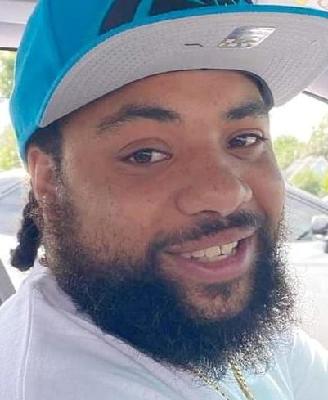
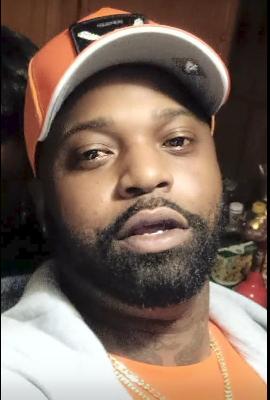
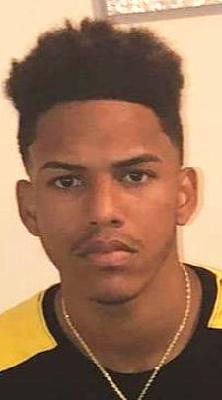
Louis Staples III, a 21-year-old Black/African American man from Rochester, New York, was killed on March 1, 2014, after a confrontation outside a neighborhood business on Lyell Avenue. On a cold Saturday night, what began as a heated argument in the parking lot of Nick’s Meat Market suddenly turned deadly. The dispute escalated in moments, and gunfire erupted, striking Staples at least once in the upper body.
Police and emergency crews rushed to the scene and found Staples gravely
wounded. He was transported to a hospital for treatment, but the injuries were too severe, and he was pronounced dead. In the immediate aftermath, investigators worked the area for witnesses and evidence, trying to reconstruct the final minutes before the shooting and identify who had been with him in the parking lot when the argument broke out.
As days passed, the case became one of those city tragedies that lingered in public memory more as a name and a date than as a story with answers. Notices and memorial postings marked the loss, while the homicide investigation moved forward largely out of public view. The details that surfaced online emphasized how abruptly the violence unfolded—an everyday location, a brief confrontation, and a young life ended in the span of a few chaotic moments.
Over time, the name Javon Sampson emerged in connection with the killing. Gun-violence incident records identified Sampson as the suspect in the incident involving Staples. Later reporting about Sampson, years after the 2014 shooting, described him as having served prison time for a gun-possession conviction tied to Staples’ death outside the Lyell Avenue business.
What is not clearly reflected in the publicly available reporting is a definitive courtroom conclusion on the homicide charge itself—there is no widely accessible, consistent public account of a murder trial verdict or a homicide conviction specifically for Staples’ killing. The most concrete legal outcome described online centers on the weapons case connected to the incident, suggesting that while investigators did identify a suspect and pursue charges related to the gun, the broader resolution of the homicide has remained unclear in the public record.