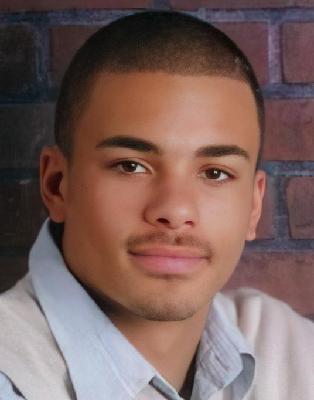
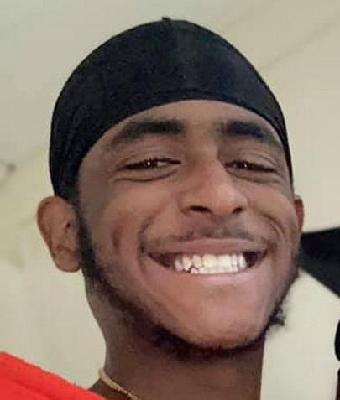
Johnny Summers, a 34-year-old man, was killed on the evening of May 4, 2014, after a sudden eruption of violence at Henner’s Liquor Store on Chili Avenue near Thurston Road on Rochester’s west side. What began as a scuffle inside the store spilled into panic when a gun appeared—customers and bystanders scrambling for the exits as the situation snapped from fists to gunfire.
Investigators and prosecutors centered the case on James Edward Quick, Jr., who was 22 at the time.
Authorities said that during a fistfight, Quick pulled out a handgun, and as people rushed out, Summers ran—only to be struck in the head as he fled. He was taken to Strong Memorial Hospital, where he died several hours later, leaving behind a scene that witnesses would later recount in fragments of fear and motion: the cramped interior of a neighborhood store, the rush toward the doorway, and the shock of shots that followed.
As the case moved toward trial, the shooting itself became one of the story’s most defining pieces of evidence. Appellate records later described how Quick and a companion, trying to get out of the store, were punched by members of a larger group near the door. In the aftermath of those blows, Quick drew his gun and fired three shots toward the doorway where the group was gathered; one bullet struck Summers, who had been with that group but, according to the same record, had not been the one who threw the punches. A store surveillance video captured the shooting and was shown to jurors, and Quick admitted at trial that he fired the shots that killed Summers.
The defense tried to frame the shooting through the lens of fear and self-preservation, arguing that Quick did not intend to kill and, alternatively, that the shooting was justified. Prosecutors, however, pushed a starkly different narrative—that the gunfire was not a desperate reaction but a deliberate choice, emphasizing that Quick pursued people who were fleeing. The jury ultimately sided with the prosecution’s version of events: on January 21, 2015, Quick was found guilty of murder in the second degree and criminal possession of a weapon in the second degree. Sentencing was set for February 20, 2015, before Monroe County Supreme Court Justice Thomas Moran.
Years later, Quick challenged the outcome on appeal, arguing in part that his trial attorneys were ineffective for not requesting that lesser charges be considered. The appellate court acknowledged there was a plausible view of events under which the shooting could be seen as reckless rather than intentional, but it upheld the conviction, concluding the defense’s “all-or-nothing” strategy at trial could be a legitimate choice and rejecting claims that the sentence was unfairly harsh. On October 9, 2020, the conviction was unanimously affirmed, closing another legal door in a case that began with a fight in a corner store and ended with a life taken in the rush for the exit.