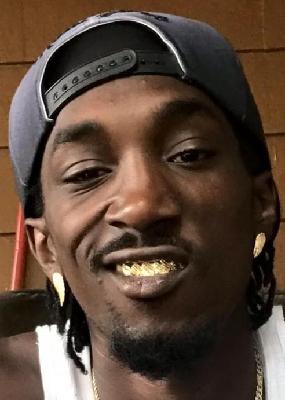
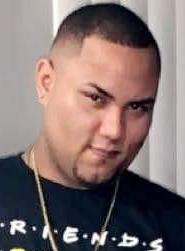
Sheldon Lipford Jr., 23, was a Black man from Rochester, New York, whose life ended on October 7, 2014, in a burst of violence that unfolded in minutes but echoed for years. Family notices published after his death described a young man deeply rooted in a wide circle of relatives and friends, a son and brother whose absence would be felt at every gathering that followed.
That Tuesday night, police were called to Pearl Street near Monroe High School at around 10 p.m.
after reports of gunfire and a crash. Investigators said Lipford had been shot multiple times in a driveway and, wounded, climbed into his car and tried to get away. He drove only a short distance before losing control and crashing near the school. He was rushed to Strong Memorial Hospital, where he died not long afterward.
In the beginning, the case carried the hollow quiet that often follows a street shooting: questions, fragments from witnesses, and a community trying to make sense of why it happened. Early reports noted that no arrests had been announced as the investigation got underway, even as the details of the driveway shooting and the frantic attempt to flee became public.
Nearly a year later, investigators said they had identified a suspect. On July 3, 2015, Rochester police announced the arrest of Tomias Shaw, a Brighton resident, accusing him of murder in Lipford’s death. In the same announcement, police said Rochelle Crann, also of Brighton, was taken into custody as well, but on different allegations—criminal possession of a controlled substance and criminal possession of a weapon—while Shaw faced the homicide charge.
Court records later show Shaw was ultimately convicted in Monroe County after pleading guilty to first-degree manslaughter and first-degree criminal possession of a controlled substance, with the judgment dated March 1, 2016. Years later, the New York Appellate Division upheld that conviction, describing arguments Shaw raised about the plea and concluding the judgment should stand.