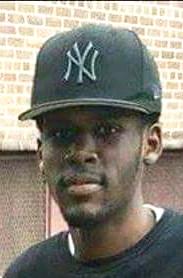
In the summer of 2015, the life of 33-year-old Jeffrey Middleton, a male resident of Brooklyn, New York, was brought to a tragic and violent end. On June 13th, his death was shrouded in mystery, initially deemed suspicious by local authorities who were determined to uncover the truth. An extensive investigation into the circumstances of his death soon revealed a brutal reality: Middleton had been the victim of a vicious and targeted attack, having sustained multiple stab wounds.
The
nature of the assault led investigators to believe the motive was personal, prompting them to explore various avenues, including the possibility of personal disputes. In the early stages of the inquiry, suspicion fell upon a close acquaintance of Middleton, an individual with a history of violent behavior and known connections to local gangs. This person became a primary suspect due to their proximity to the victim and a potential motive. However, a lack of concrete evidence linking them to the crime presented a significant hurdle for the investigation.
A major breakthrough in the case came from the meticulous analysis of forensic evidence. DNA samples and fingerprints collected from the scene pointed investigators in a new direction, toward an individual who had not previously been a primary focus. This new suspect had a criminal record and was known to have had a contentious relationship with Middleton. With this crucial link established, legal proceedings were initiated, and the suspect was formally charged with the murder of Jeffrey Middleton.
The ensuing trial garnered significant media attention due to the brutal nature of the crime and the intricate investigative process. The prosecution presented a detailed picture of the events leading to Middleton's death, supported by witness testimonies and the compelling forensic evidence. Ultimately, the jury found the suspect guilty of murder. A lengthy prison sentence was handed down, bringing a sense of closure to a case that had deeply affected Middleton's family and friends. The successful prosecution underscored the pivotal role of forensic science in resolving violent crimes and the persistent efforts of law enforcement to secure justice.