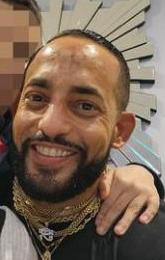
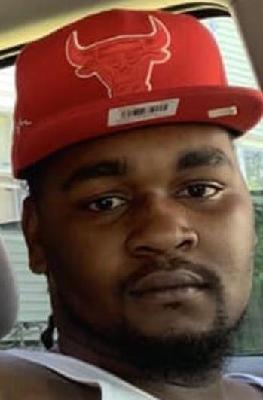
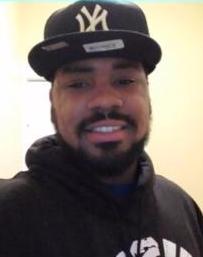
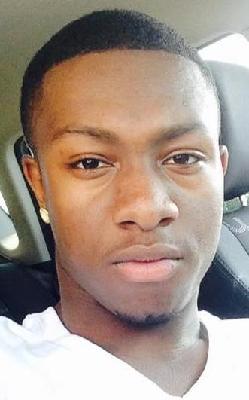
In the pre-dawn hours of a spring morning in Queens, Leslie Balogh, a 46-year-old man from Whitestone, was standing on a quiet street in Flushing. It was a neighborhood he likely knew well, not far from the home on 166th Street where he lived with his elderly parents. At approximately 1:45 a.m. on Friday, May 3, 2013, the calm was broken by the sound of gunfire. When police arrived at 137th Street near 31st Avenue, they found Leslie gravely wounded, having been shot in his face and torso. He was rushed to Flushing Hospital Medical Center, but the injuries were too severe, and he was pronounced dead.
In the immediate aftermath, Leslie’s family was plunged into a state of shock and grief. His 82-year-old father, who shared his name, was struggling to comprehend the violent loss while also coping with his wife’s recent hospitalization. “I don’t know what’s what. I don’t know what happened,” he told a reporter.
Leslie, who was unemployed at the time, was cremated a few days after his death. His mother, Rose Marie Balogh, was desperate for answers and for justice. “We are working with the police,” she said from her home. “I would like to see whoever did this punished.”
The New York Police Department’s 109th Precinct launched an investigation into what was the precinct’s first homicide of 2013. Detectives found a crucial piece of evidence in surveillance footage from the area. The video reportedly captured Leslie speaking with someone inside a vehicle just moments before he was killed. Based on this interaction, investigators stated they did not believe the murder was a random act of violence. A police source also indicated at the time that the shooting was not thought to be drug-related. A neighbor who lived near the scene told reporters he heard two gunshots and called 911 after looking out his window and seeing Leslie lying on the ground.
Two months later, in July 2013, the investigation appeared to gain traction when police sources revealed they were looking at two men as possible suspects. One of these men was Robert Sasso, the grandson of a former Gambino crime family associate. This development introduced a conflicting narrative. Unnamed sources stated that Leslie’s family had told investigators he was a heroin addict and they believed the killing might have been connected to drugs, a direct contradiction of the initial police statements. However, no arrests were ever announced in connection with Leslie Balogh's murder, and it is unclear if these individuals were ever formally questioned or cleared in this specific case.
For more than a decade, Leslie’s murder has remained unsolved. The once-promising leads have grown cold, and the questions surrounding his final moments are unanswered. The case is now handled by the NYPD and the Queens District Attorney's Office as an active cold case. In a newsletter sent out 12 years after the killing, the District Attorney’s office featured Leslie’s case, reminding the public that it is never too late for justice and asking for anyone with information to come forward.
The memory of what happened on that Flushing street has faded for many, but for a family still seeking closure, the pain remains. The investigation into who shot Leslie Balogh and why continues, waiting for the one crucial tip that could finally bring his killer to justice. Anyone with information regarding the death of Leslie Balogh is urged to contact NYPD Crime Stoppers at 1-800-577-TIPS. All calls are confidential.