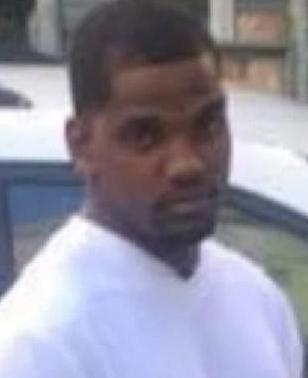
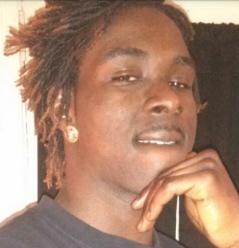
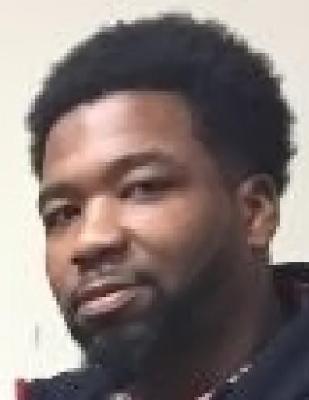
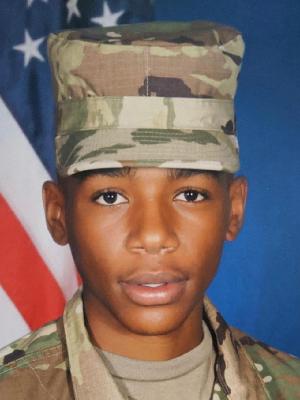
In the spring of 2018, the life of 37-year-old Charles E. Nichols was tragically cut short in Syracuse, New York. His death, the result of gun violence, would unravel a grim story involving a dispute over a small sum of money and the subsequent efforts to conceal the crime. Nichols, a man known to be outgoing and friendly, though at times misunderstood, was a father and worked in construction and plumbing.
The investigation into Nichols' death led authorities to Vladimir Brown.
Prosecutors argued that a dispute over a mere $25 escalated to the point where Brown fatally shot Nichols. However, the exact details of the confrontation and the moments leading to the shooting remained a contentious point. After the shooting, a second individual, Nicolas Costello, became involved, assisting Brown in moving Nichols' body in an attempt to hide the crime. The body was moved twice and was discovered days later outside a vacant house, sparking a homicide investigation.
The legal proceedings that followed painted a complex picture of the events. Nicolas Costello ultimately pleaded guilty to his role in helping to move the body. Vladimir Brown, on the other hand, went to trial on charges including murder. In February 2019, a jury delivered a split verdict. Brown was found not guilty of murdering Charles Nichols. However, he was convicted on two counts of criminal possession of a weapon in the second degree, one count of concealment of a human corpse, and one count of tampering with physical evidence.
Following his conviction, Vladimir Brown was sentenced for his crimes. The court imposed consecutive sentences for the charges of concealing a human corpse and tampering with physical evidence. An appeal of the judgment was later affirmed, with the appellate court finding that the sentence was not unduly harsh or severe. The resolution of the case left the family and friends of Charles Nichols to grapple with the loss of a loved one and the intricate and often painful machinations of the justice system.