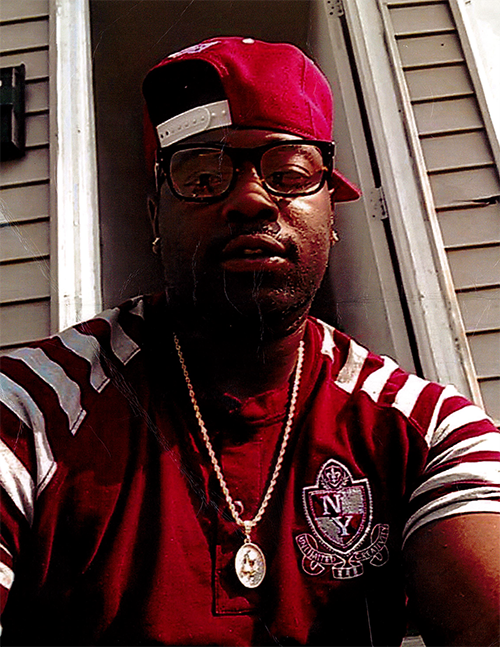
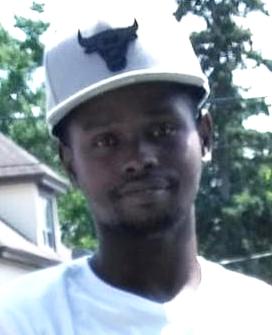
Aaron Jordan, a 37-year-old Black male from Syracuse, was shot on Christmas night, December 25, 2022, after gunfire erupted near the 2400 block of Midland Avenue, close to the intersection with West Pleasant Avenue and West Caltrop Avenue. Syracuse police responding around 9:19 p.m. found him on the ground near the roadway, struck multiple times. He was rushed by American Medical Response to Upstate Hospital, where he was pronounced dead at about 9:45 p.m., leaving a neighborhood’s holiday
quiet replaced by flashing lights and unanswered questions.
In the first hours after the shooting, investigators had little public information to offer beyond the stark basics: where they were called, what they found, and that the circumstances leading up to the gunfire were still unclear. At the time, police said no arrests had been made, and they urged anyone with knowledge of what happened to contact detectives as the case began to take shape.
As the days turned into months, detectives in the department’s homicide unit worked through interviews and a broad canvass of the area and the city, while search warrants were executed and evidence was collected, processed, and analyzed. The investigation ultimately centered on a suspect identified by police as Imperial Q. Davis, and authorities described the case as active even as leads solidified and the focus narrowed.
Police reported that Davis, 29, turned himself in on August 16, 2023, arriving at the Syracuse Police Department before being lodged at the Onondaga County Justice Center. In connection with Jordan’s death, Davis was charged with murder in the second degree and criminal possession of a weapon in the second degree, as investigators continued to seek information that could further clarify what happened on Midland Avenue that night.
Later reporting described a complicated legal endgame: Davis was sentenced to 10 years in prison for having the gun tied to the killing after pleading guilty to possessing it, while the murder charge was dropped because prosecutors believed they could not meet the burden of proof required to proceed on that count.
Away from the courtroom language and police timelines, Jordan’s death was also marked by the grieving ritual of an obituary, which described his passing as unexpected and remembered him through the family he left behind, including multiple children, with services handled by a Syracuse funeral home.