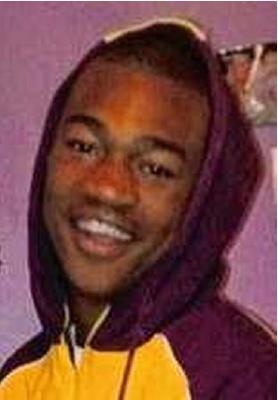
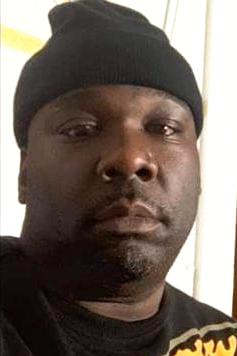
Arturo Resto Figueroa, 31, a Latino man, was found dead inside a Syracuse apartment on September 25, 2017, one of two bodies left behind on the city’s West Side. Police were sent to the 1100 block of Avery Avenue after a call brought them to the building, and officers were directed to an apartment where two men lay badly wounded. Both were pronounced dead a short time later, their deaths traced to gunshot wounds.
Someone who saw the inside afterward would describe what was left in that room as “a slaughter,” a blunt phrase that fit the shock of how violent the scene appeared.
In the first hours, there was no public suspect information, only the unnerving question of how such a barrage could happen without an immediate rush of sirens. Investigators later said multiple shots were fired inside the apartment—enough, they noted, to trigger smoke alarms that neighbors could hear—yet police were not called right away. Instead, the killings surfaced after the apartment was entered and the victims were discovered, turning what should have been a routine visit into a horrifying find and setting off a homicide investigation focused on what had brought the men together in that space.
As detectives pieced it together, prosecutors and police said the shootings unfolded during an attempted robbery aimed at “drug proceeds.” Two suspects were identified: Rene DeJesus, from New York City, and Brian Montanez, from Syracuse. DeJesus was arrested in New York City and brought back to face charges that included first-degree murder, attempted robbery, and weapon possession; Montanez was arrested in Syracuse and charged with second-degree murder and attempted robbery. Investigators said they believed DeJesus was the shooter, and the case soon hardened from rumor and street talk into formal accusations filed in court.
When the case reached sentencing, prosecutors described a calculated ambush: they said DeJesus waited in a closet and then opened fire, unloading more than 25 shots and killing both victims. In Onondaga County Court on May 30, 2018, DeJesus was sentenced to 25 years to life in prison after pleading guilty to charges that included first- and second-degree murder, attempted robbery, and criminal possession of a weapon. In court, the violence was recounted in visceral terms—blood everywhere, the room destroyed by gunfire—and the grief of the families was carried into the record through a letter read aloud from the wife of one of the victims, describing the loss of a soulmate and father. DeJesus addressed the court and asked to be forgiven, but the sentence fixed his role in the killings as the person prosecutors said pulled the trigger.
Montanez’s case moved on a separate track. He was indicted on multiple counts, including murder, attempted robbery, and weapon possession, and at the time of DeJesus’s sentencing, a trial in Montanez’s case was scheduled for a later date. Court records later reflect that a judgment in Onondaga County Court was rendered on June 10, 2019, and that Montanez sought permission to file a late notice of appeal—an effort that was denied by the Appellate Division on March 8, 2021—signaling that the prosecution did not end with the arrests, but continued through years of proceedings after the night on Avery Avenue.