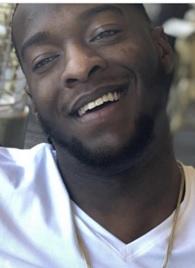
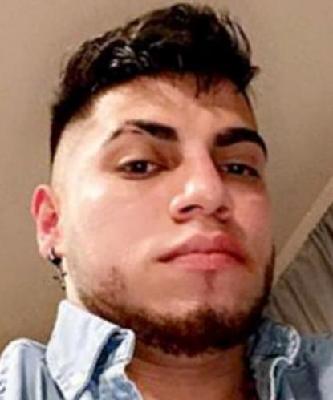
Lawrence Banks was a 17-year-old male from Baltimore, Maryland, whose final day unfolded like a door slamming shut on the small bit of safety he’d managed to find. By the fall of 1991, he and his sister were no longer living under their father’s roof, after accusing their father, Lawrence Banks, of brutal abuse. Lawrence was staying in a foster setting away from home, trying to heal in more ways than one, including recovering from a broken leg that left him moving slowly and painfully.
On November 19, 1991, his father showed up at that house looking for him. What happened next was chaos compressed into minutes: a chase through rooms and hallways, Lawrence hobbling as fast as he could, desperate for something—anything—that might stop what was coming. A prosecutor would later describe him running toward an alarm system, as if a single button could summon a wall between him and the man closing in. Instead, he ended up trapped in a kitchen corner, where his father shot him as he crouched there.
The horror of that day didn’t begin or end with Lawrence. Hours before killing his son, his father had also fatally shot one of his drinking companions, Michael Chisholm, in a separate killing that would become braided into the same dark timeline. Two deaths, one night—violence spilling from one scene to the next, as if nothing could slow it down once it started.
Lawrence’s father became the clear suspect, and the case moved through the courts—but not in the way many would expect for a child killed in a foster home. Witness and evidence problems shadowed the prosecution, and rather than a full trial on Lawrence’s killing, his father was allowed to enter a no contest plea to second-degree murder for his son’s death. In the other case, he pleaded guilty to second-degree murder for killing Chisholm. The sentences—two concurrent 20-year terms—meant the time for both deaths ran together, not back-to-back, and he was later released in October 2002.