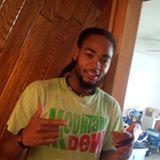
In the summer of 2015, a wave of violence gripped the city of Baltimore, a tragic period marked by a significant increase in homicides. It was during this tumultuous time that the life of Ivan Jerome Cox Jr., a 21-year-old African-American man, was cut short. On June 29, 2015, in the 3000 block of Elizabeth Avenue, a neighborhood already scarred by a series of violent crimes, Cox was fatally shot.
His death added to a grim statistic, becoming one of 344 homicides in what would be one of the deadliest years in the city's history.
The city was in the midst of turmoil, with frequent shootings and widespread violence creating an atmosphere of fear and frustration among residents. Many neighborhoods, including the one where Cox was killed, were grappling with the deep-rooted issues of poverty and economic distress, which are often linked to higher crime rates. The unrest following the death of Freddie Gray earlier that year had exacerbated tensions and stretched law enforcement resources thin, leaving many communities feeling vulnerable.
The investigation into Ivan Cox Jr.'s murder has yielded no arrests, and no suspects have been publicly identified. His case, like many others from that violent year, remains unsolved, leaving his family and community without a sense of justice or closure. The lack of resolution in his death is a painful reminder of the systemic challenges that continue to affect the city, highlighting the lasting impact of such violence on families and neighborhoods.