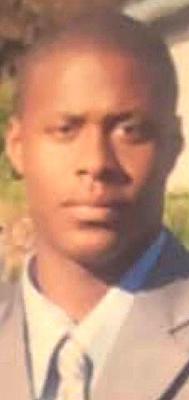
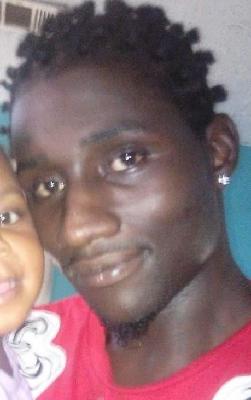
On the night of February 8, 1968, a deeply rooted struggle against racial segregation in Orangeburg, South Carolina, culminated in a tragic outburst of violence that claimed the life of 18-year-old Samuel Ephesians Hammond Jr., a Black male student at South Carolina State College. The events of that evening, which would become known as the Orangeburg Massacre, unfolded against a backdrop of simmering tensions over the refusal of a local bowling alley, All-Star Bowling Lanes, to desegregate.
In the days leading up to the shooting, students from the historically Black college had engaged in a series of protests against the bowling alley's whites-only policy. These demonstrations were met with an escalating police presence. On the evening of February 8th, students gathered on the campus, and a bonfire was lit. As law enforcement, including South Carolina Highway Patrol officers, moved to extinguish the fire, a confrontation ensued. A patrol officer was struck by an object, prompting another officer to fire a warning shot into the air. In the moments that followed, at least nine other officers opened fire on the crowd of unarmed students.
As chaos erupted and students fled, many were shot in their backs and sides. Samuel Hammond Jr., a freshman and a running back on the college's football team, was shot in the back and tragically died from his injuries. Two other young men, 18-year-old Henry Smith, another South Carolina State student, and 17-year-old Delano Middleton, a local high school student, were also killed in the barrage of gunfire. Twenty-seven other protesters were wounded.
In the immediate aftermath, state officials, including Governor Robert McNair, initially blamed 'Black power advocates' for the violence and incorrectly claimed the incident occurred off-campus. An FBI investigation was requested, but a state-level inquiry was not mandated. Subsequently, nine state troopers were brought to trial on federal charges of imposing summary punishment without due process of law. Despite the testimony of numerous witnesses who stated the students were unarmed, a federal jury acquitted all of the officers in less than two hours.
Conversely, Cleveland Sellers, a civil rights activist who was present at the protests, was charged with rioting. He was convicted and sentenced to one year in prison, serving seven months before his release. Years later, in 1993, Sellers was officially pardoned. The case of the Orangeburg Massacre was reviewed by the FBI in 2007 as part of its initiative to re-examine civil rights-era cold cases, but federal officials declined to reopen the investigation, citing double jeopardy concerns due to the troopers' previous acquittals.