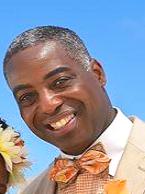
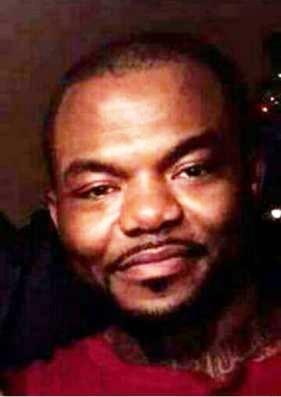
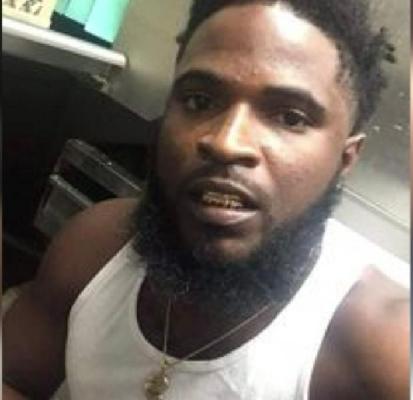
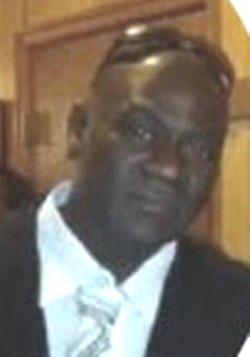
In the summer of 2002, the life of 22-year-old Jedediah Fitz Gerald Harr was tragically cut short in Columbia, South Carolina. On the evening of August 8th, an argument broke out in the parking lot of a Texas Roadhouse restaurant. The dispute involved Quincy Allen and two women, one of whom was pregnant. The woman's boyfriend, Brian Marquis, arrived at the scene with his friend, Jedediah Harr.
During the heated exchange that followed, Allen retrieved a shotgun and fired at Marquis, but the shot fatally struck Harr in the head.
Following the shooting, Quincy Allen fled the scene and embarked on a further crime spree. This string of violent acts included setting fire to Marquis's home and two vehicles. His rampage extended to North Carolina, where he killed two more people at a convenience store. Allen's violent outburst had actually begun the month prior, in July 2002, when he shot and killed Dale Evonne Hall and also shot a homeless man for 'target practice.' Allen was eventually apprehended in Texas on August 14, 2002.
Quincy Allen pleaded guilty to the murders of Jedediah Harr, Dale Evonne Hall, and two individuals in North Carolina. In March 2005, he was sentenced to death for the killings in South Carolina. His defense attorneys argued for a lesser sentence, citing a history of mental illness and a troubled childhood marked by abuse and neglect. They claimed Allen believed a chip in his brain allowed the devil to order him to kill. Despite these arguments, the judge imposed the death penalty.
However, in 2022, a federal appeals court overturned Allen's death sentence. The court ruled that the initial judge had not given adequate consideration to Allen's history of mental illness and abusive upbringing. This decision sent the case back for resentencing. In July 2024, after the local solicitor's office conferred with the victims' families, it was decided not to pursue the death penalty again. Consequently, Quincy Allen was resentenced to life in prison without the possibility of parole. The brother of Jedediah Harr, who had initially supported the death penalty, expressed that he had forgiven Allen and favored the life sentence.