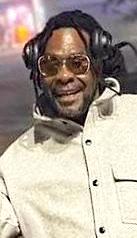
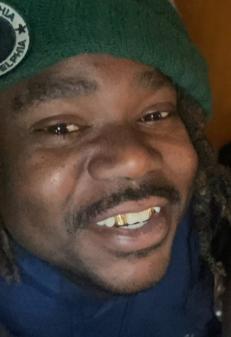
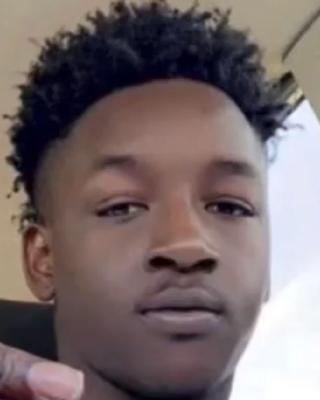
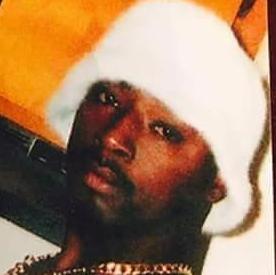
Michael Taylor was a 28-year-old Black man from North Charleston, South Carolina, remembered in public records as a quiet, working-class painter rooted in his neighborhood and deeply connected to his family. He lived on Oregon Avenue in North Charleston, the son of Michael Deveaux and Barbara Taylor, and one of several siblings whose names appear alongside his in obituary notices, a reminder that his life unfolded within a close, extended family circle rather than in isolation.
Those same notices describe funeral services held at a local Baptist center and burial in a nearby cemetery, suggesting a family that leaned on church and community traditions as they prepared to say goodbye.
On Sunday, November 23, 2014, the rhythm of that life came to an abrupt end. Obituaries mark that day simply as the date he “entered into eternal rest” in North Charleston, while a national remembrance site that documents firearm deaths in the United States records that he was “lost to gun violence” in the city on that date. Taken together, the funeral notices and memorial listing sketch only the barest outline of what happened: somewhere in North Charleston, on an ordinary late-November day, a shooting left Taylor fatally wounded, and by the time his death was formally recorded, the focus of the public record had already shifted from the circumstances of the crime to arrangements for viewing, services, and burial.
The public documents that survive online linger far more on who Taylor was to those who loved him than on how he died. Funeral home postings and newspaper obituary entries carefully list parents and siblings, invite condolences, and provide times and locations for services, but they do not describe the scene of the shooting, the time it occurred, or any argument or encounter that might have led up to it. There is no indication of a prior criminal history, no explanation of why he might have been targeted, and no narrative about the hours before his death—only the blunt fact that his life ended violently and far too early.
In the aftermath, law enforcement in North Charleston opened an investigation, as they would after any fatal shooting, but the trail of information available to the public grows faint almost immediately. Archived obituary pages, memorial listings, and accessible local court schedules and rosters do not show any later story naming a suspect, announcing an arrest, or detailing charges tied specifically to his killing. Instead, Taylor’s name appears only in the quiet spaces of remembrance rather than in the more visible arenas of criminal trials or sentencing reports. Based on what is available in open sources, there is no public record of anyone being arrested, tried, or convicted for his death, leaving the circumstances and those responsible for the shooting unaccounted for in the written record and his family and community without publicly documented closure.