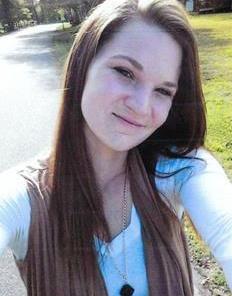
In the late summer of 2015, the community of Rock Hill, South Carolina, was unsettled by the discovery of a young woman's body. On the evening of Wednesday, August 5th, a passerby walking near the 400 block of Green Street came across the deceased behind a vacant home and immediately alerted the authorities. The victim was identified as 27-year-old Latoya Cureton. An autopsy would later confirm that she had died from multiple gunshot wounds to the back.
The nature of her death prompted an immediate homicide investigation by the Rock Hill Police Department.
In the weeks that followed, investigators worked to piece together the events leading to Cureton's death, interviewing residents in the area and pleading with the public for any information that could lead to a breakthrough in the case. The lack of immediate answers was agonizing for Cureton's family, who organized a 'Justice for Toya' rally and march in late September. Over 100 people participated, not only to remember Latoya but also to raise awareness about the broader issue of unsolved violent crimes in their community. Her family remembered her as someone who had faced struggles, including substance abuse and a recent stint in prison, but who did not deserve such a violent end.
A significant development in the case came in October 2015, when police arrested 19-year-old Robert Daquan Johnson and charged him with the murder of Latoya Cureton. Johnson, a convicted felon with a history of weapon charges who had recently been released from prison, was also charged with using a weapon in a crime and possession of a pistol by a prohibited person. Arrest warrants indicated that evidence from the scene and witness statements had led investigators to Johnson. During his initial court appearance, where he faced the grieving family of Latoya Cureton, Johnson requested to hire his own lawyer and was denied bond.
The sense of resolution for the Cureton family was short-lived. By late December 2015, the murder charge against Robert Daquan Johnson was dropped by prosecutors, who cited a lack of sufficient evidence to move forward with the case at that time. They did, however, retain the right to refile the charge if new evidence were to surface. While the murder charge was dropped, Johnson remained incarcerated, facing federal charges for being a felon in possession of a firearm. As of a year after her death, Latoya Cureton's case officially remained unsolved, though police mentioned they were pursuing new leads. Her family continued to hold onto hope for justice.