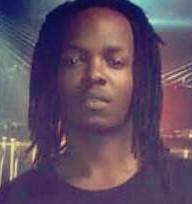
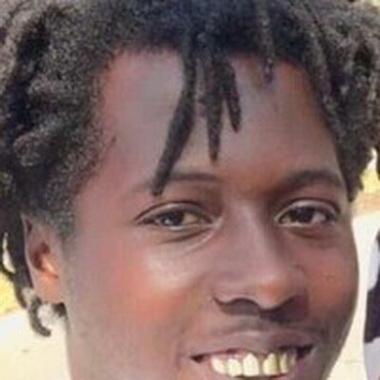
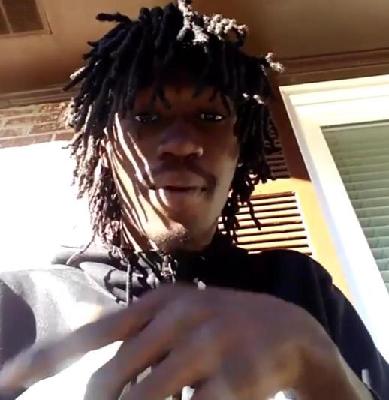
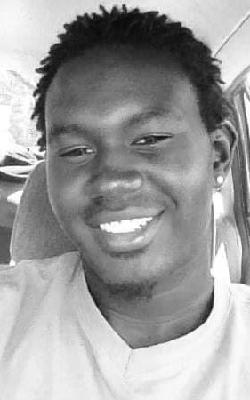
On the night of May 12, 2019, Aterrio Monroe, a 27-year-old Black male from the rural community of Awendaw, made his way to the Max Quick Stop convenience store on McMillan Avenue in North Charleston. It was a Sunday evening that should have ended like any other, with people drifting in and out of the corner store, cars pulling into the small lot and the hum of a quiet commercial strip at the end of the weekend.
Instead, the visit would place Monroe in the middle of a sudden burst of violence that cut his life short and left his family and community searching for answers.
Shortly before 11 p.m., North Charleston police officers were dispatched to the Max Quick Stop after reports of gunfire outside the store. When officers arrived, they found a man lying on the ground in the parking lot, suffering from at least one gunshot wound. Witnesses would later tell investigators that a group of people had been arguing and fighting outside in the lot when the shooting erupted, turning a confrontation into a scene of chaos. A suspect was seen fleeing the area in what witnesses described as a dark-colored vehicle, leaving Monroe gravely wounded on the asphalt as first responders worked to save him.
Paramedics rushed Monroe to the Medical University of South Carolina the region’s major trauma center, but despite emergency care he did not survive. The Charleston County Coroner’s Office later confirmed that he died from a gunshot wound and publicly identified him as the victim of the North Charleston convenience store shooting. News accounts described him simply as an Awendaw man whose life had been taken in the late-night violence, underscoring the abruptness with which an ordinary evening had ended in tragedy.
In the days that followed, detectives with the North Charleston Police Department pieced together what they could from the chaotic scene. They relied on the reports of multiple people fighting outside the store, the description of the fleeing vehicle and physical evidence recovered in and around the parking lot. Police publicly appealed for anyone who had seen the altercation or the shooting to come forward, making clear that they believed the answer to who had pulled the trigger lay among those who were there that night.
Less than two weeks after the killing, investigators announced a major development. In the early hours of May 25, 2019, North Charleston officers arrested a man named Donte Benson in connection with the homicide. According to both local news reports and statements from police, Benson was taken into custody around 1 a.m. and charged with murder as well as possession of a firearm during the commission of a violent crime. Authorities stated that the case they were building linked him directly to the May 12 shooting at 2000 McMillan Avenue, the address of the Max Quick Stop where Monroe had been gunned down. The same accounts reiterated the original witness description: several people had been fighting outside when gunfire broke out, and the gunman had fled as others scrambled for cover.
From that point, the case moved from the streets into the courts. Publicly available corrections records show that Benson is now serving time in the South Carolina Department of Corrections on a conviction for voluntary manslaughter out of Charleston County, with the offense dated April 22, 2020—a charge classification and timeframe consistent with a negotiated resolution or conviction stemming from the 2019 North Charleston homicide. The same records list the offense as a violent crime and note a five-year “adult-straight” sentence for voluntary manslaughter, alongside other later drug and weapons convictions, and indicate that he is incarcerated at Kershaw Correctional Institution with a projected release date in May 2026 and no parole eligibility. While those documents do not name Monroe as the victim, the match between the county, timing and sequence of events reported in the news and by law enforcement strongly ties Benson’s voluntary manslaughter conviction to the killing outside the Max Quick Stop that claimed Aterrio Monroe’s life.