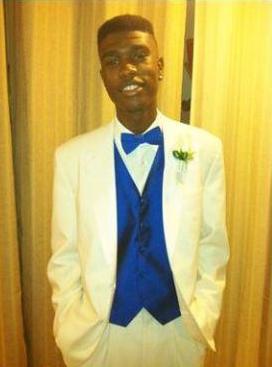
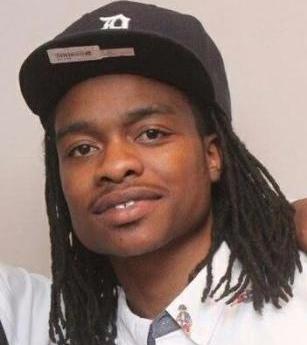
In the spring of 2011, a young man's life was cut tragically short in Charleston, South Carolina. Nineteen-year-old Davon Goodwin, a male, was shot in the abdomen on April 26, 2011. Rushed to the hospital, he fought for his life for over a week, enduring emergency surgeries and intensive care. Despite the efforts of medical staff, Goodwin succumbed to complications from the single penetrating gunshot wound and passed away on May 4, 2011.
During his time in the hospital, while in the
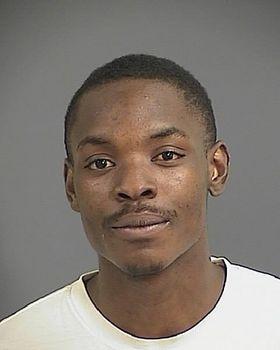
intensive care unit, Goodwin was interviewed by a detective from the Charleston Police Department. In that interview, he identified Marvin Reginald Brown as the person who had shot him, picking him out from a photographic lineup. This identification, made days before his unexpected death, would become a pivotal and contentious piece of evidence in the pursuit of justice for Goodwin. His death, which was initially thought to be from a pulmonary embolism, was ultimately ruled by the forensic autopsy to be a direct result of the gunshot wound.
Following Goodwin's death, Marvin Reginald Brown was indicted on charges of murder, armed robbery, and possession of a firearm during the commission of a violent crime. However, the legal proceedings that followed were complicated. The admissibility of Goodwin's identification of Brown as a 'dying declaration' was challenged by the defense. The court ultimately ruled that the statement was inadmissible as a dying declaration exception to hearsay. This decision was based on evidence suggesting that at the time Goodwin made the identification, his condition appeared to be improving, and there was no clear indication that he was aware of his imminent death. The court noted that Goodwin did not spontaneously name his attacker but did so in response to questioning and showed reluctance, which could suggest a fear of reprisal rather than a belief of impending death. This legal technicality significantly impacted the prosecution's case against Brown.