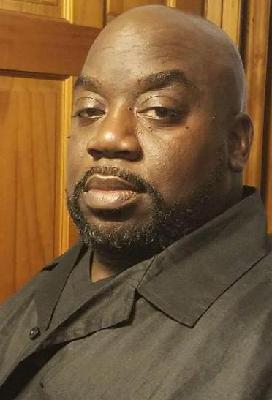
In a tragic event that unfolded in North Charleston, South Carolina, a domestic dispute escalated to a horrific act of violence. On September 30, 2006, 41-year-old Michael Anthony Simmons shot and killed his wife and her four children in their mobile home. The male perpetrator's victims were identified as his 39-year-old wife, Betra Rainey, and her children: 16-year-old William Rainey, 13-year-old Hakiem Rainey, 8-year-old Malachia Robinson, and 6-year-old Samenia Robinson.
Simmons was not the biological father of the children. The couple had been married for over a year, and authorities described the incident as a domestic situation that turned deadly.
The grim discovery was made after a witness saw the bodies in the home and alerted the police. Law enforcement apprehended Simmons as he was attempting to flee the scene in his vehicle. He was subsequently charged with five counts of murder. During his bond hearing, which he attended via video link from the Charleston County jail, he was denied bond. A relative of the victims expressed the family's devastating loss and their desire for Simmons to be held fully accountable for his actions.
Simmons had a significant criminal history prior to the murders. He had a criminal record dating back to 1984 and had been convicted in 1988 for armed robbery, assault and battery with intent to kill, and second-degree burglary. He had served over 16 years in prison for these offenses and was released in 2004, and would have been on parole until 2012. Following his arrest for the murders, his legal proceedings took an unexpected turn. In June 2008, a judge ruled that Simmons was mentally unfit to stand trial. This decision was based on a diagnosis of dementia, leading to his indefinite confinement in a secure state mental hospital. The ruling sparked anger among the victims' relatives, who believed he was feigning his condition to evade a trial and potential prison sentence.