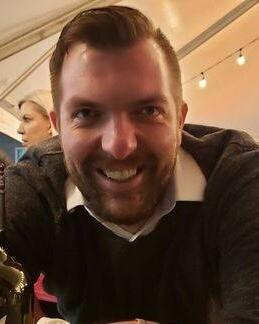
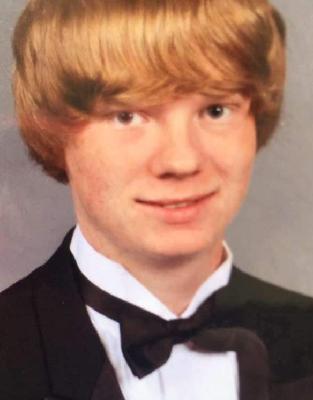
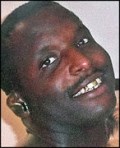
George Akeem Rayshawn Bennett was a 27-year-old male from North Charleston, South Carolina, whose life ended violently on the morning of April 18, 2015. On that Saturday, he was in Charleston’s East Side neighborhood, near an apartment complex off Reid Street close to East Bay Street, when the routine rhythms of the day were shattered by gunfire.
Reports describe Bennett outside an apartment and near a parking area when shots rang out, the quiet of the complex giving way to chaos as bullets tore through the scene. Another person seated in a nearby car was also struck, yet the three-year-old child that person was holding was, by a stroke of fortune, not physically harmed.
Witnesses later told police they saw a black Cadillac turn onto Reid Street from East Bay. The car pulled into the lot, and one of the occupants stepped out and opened fire on a white 1992 Mercury Grand Marquis parked off Reid Street. Some witnesses recalled hearing six shots, others as many as fourteen, before the attackers fled and the Grand Marquis was towed away as a piece of crucial evidence. The sudden eruption of violence in a residential courtyard left Bennett mortally wounded and another victim injured, a stark reminder that the city’s third homicide of 2015 was born out of a small patch of asphalt and a dispute that had started long before the gunshots.
In the hours and days that followed, detectives began reconstructing what had led to the killing. Investigators learned that the day before the shooting, Bennett had met with Bryant Smith for a drug transaction. Police and court records later suggested that something went wrong during that deal: officers were unsure whether Bennett had paid with counterfeit money or robbed Smith of the drugs, but whatever happened, the resentment carried over into the next morning. Authorities ultimately described the killing as a “revenge” slaying growing out of that earlier drug deal and theft, turning a private dispute into a public execution-style ambush in the middle of a housing complex.
Charleston police quickly focused on the Cadillac and its occupants. Surveillance cameras positioned around the East Side captured footage of the Cadillac and a second vehicle circling the area minutes before the shooting, corroborating witness accounts and giving investigators a partial license plate number to work with. That video evidence, combined with statements from those who had seen the car, allowed detectives to identify two brothers as suspects. According to later reporting, the brothers tried to cover their tracks by dismantling the Cadillac, repainting its wheels, and removing its tags in an effort to break the trail police were following. Despite those efforts, the images and physical evidence were enough for authorities to move in.
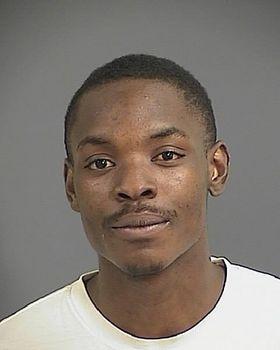
On May 2, 2015, about two weeks after the shooting, Charleston officers arrested 30-year-old Bryant Smith. He was charged with murder in the shooting death of Bennett, as well as with wounding the second victim. At that point, police publicly acknowledged that they were searching for another person believed to have been involved. Just a few days later, on May 6, U.S. Marshals captured Bryant’s brother, Seth Hassan Smith, in Walterboro, South Carolina. Local coverage described Seth as the second man wanted in the case and reported that both brothers were accused of killing Bennett outside the Reid Street apartment complex. Bennett’s mother, Paula Todd, told reporters she knew one of the men accused of killing her son, underscoring how the violence cut through relationships that already existed in the community. Both brothers were booked into the Sheriff Al Cannon Detention Center on murder charges as the case moved into the courts.
As the legal process unfolded over the years, the focus of at least one brother’s case shifted from being treated as a principal in the killing to his actions after the fact. Court records from the South Carolina Court of Appeals show that Seth Hassan Smith was ultimately tried and convicted not of murder itself but of accessory after the fact to murder. The state argued that after the shooting, Seth knew the principal had committed the killing and helped dispose of the Cadillac that had been used in the attack, assisting in efforts to dismantle and alter the vehicle so it would be harder to trace. A jury found him guilty, and he received a fifteen-year prison sentence. In March 2023, the Court of Appeals affirmed that conviction and sentence, concluding that there was substantial circumstantial evidence that he knew about the murder and aided the killer by helping to get rid of the car, and that any issues raised about the jury instructions did not warrant a new trial.
Publicly available records do not spell out as clearly the final disposition of the original murder charge against Bryant Smith, but early reports consistently place him as the first person arrested and charged with Bennett’s killing, with his brother later pulled into the case as an accomplice whose role centered on helping cover up what had been done. What remains undisputed is that a dispute over drugs escalated into a fatal ambush that claimed Bennett’s life, injured another victim, and sent two brothers into the criminal justice system—one of them ultimately imprisoned for assisting after the fact. For Bennett’s family and the East Side residents who watched their courtyard turn into a crime scene, the arrests and later conviction brought a measure of legal resolution, but they also fixed in place the memory of a morning when a young life was cut short on Reid Street and the damage rippled outward through an entire community.