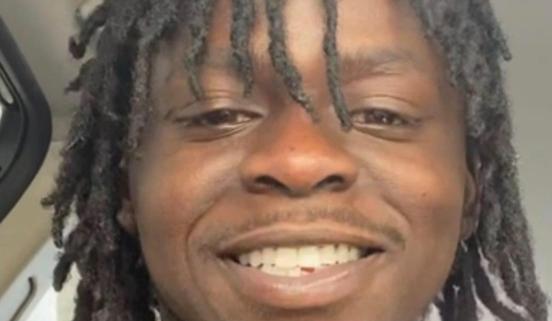
On an October night in 2015, a domestic dispute inside a modest West Ashley apartment in Charleston, South Carolina ended in a single, fatal gunshot. Parrish Quantize Greene was a 22-year-old Black man from Charleston, a young father whose life had already threaded through both struggle and responsibility by the time police were called to William Kennerty Drive just before 10 p.m.
Officers found Greene lying on the floor inside the apartment with a gunshot wound to the chest.
Despite emergency efforts, he died there at the scene, his death officially recorded as the result of gun violence on October 21, 2015. The home was not empty when the shot was fired. Greene’s girlfriend, identified by police as the person who shot him during an argument, had been inside with him, as had their one-year-old daughter. By the time officers arrived, the girlfriend and the little girl had left the apartment, leaving behind the chaotic stillness of a domestic dispute that had escalated beyond words.
In the hours after the shooting, investigators treated the incident as a domestic case centered on the conflict between Greene and his girlfriend. Early reports described her as the one who pulled the trigger during a dispute, and detectives focused their attention on her account of what happened in that small West Ashley living room. Police made it clear, however, that they were still sorting through the circumstances: they noted publicly that no charges had been filed in the immediate aftermath, suggesting that they were considering possibilities ranging from a criminal act to some form of self-defense or accidental shooting.
As days turned into years, Greene’s family and friends remembered him not through court updates or trial coverage, but through memorial pages and obituary notices that spoke of a son and grandson deeply missed, and of four children—Mariah, Morgan, Maeliny, and Quentez—left to grow up without their father. Online tributes describe a young man whose life was cut short long before he could see his children grown, with relatives writing of daily thoughts, nightly tears, and the painful permanence of his absence.
Publicly available records and news coverage show no later articles announcing that Greene’s girlfriend, or anyone else, was ever charged, tried, or convicted in connection with his death. The original reports that named his girlfriend as the person who shot him, coupled with statements that no charges had been filed at that time, stand without a documented follow-up indicating a prosecution. As a result, the story of Parrish Greene’s final night remains fixed in that moment: a domestic argument in a West Ashley apartment, a single shot, a young father dying on the floor, and a family left with grief but no public resolution in the courts.