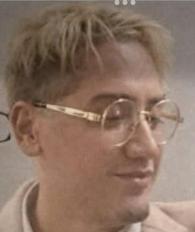
On a winter Wednesday afternoon in early January 2022, Colt Lamar Poore, a 33-year-old white male from Piedmont, South Carolina, was inside a modest home on Dalton Road in Greenville County when a burst of violence shattered the ordinary rhythm of the day. Sometime before 1:40 p.m., a 911 call brought deputies from the Greenville County Sheriff’s Office racing to the 500 block of Dalton Road, just off Piedmont Highway.
Inside the residence they found Colt gravely wounded, suffering from a gunshot wound to the head. Paramedics worked to stabilize him and rushed him to Prisma Health Greenville Memorial Hospital, where doctors fought to keep him alive. He had been shot on January 5, 2022, and, despite those efforts, he succumbed to his injuries the following day. The county coroner later ruled his death a homicide.
In the immediate aftermath, investigators moved quickly to secure the scene and piece together what had happened inside the house that afternoon. The location was a quiet stretch of road dotted with older homes, the kind of place where neighbors notice unfamiliar cars and most people know who lives where. Deputies processed the interior and exterior of the property, looking for physical evidence that could explain how a visit or gathering had turned deadly. According to public statements from the Sheriff’s Office, the shooting appeared to be an isolated incident rather than a random attack, and they emphasized that there was no broader threat to the surrounding community. At least some of the people who had been present during or around the time of the shooting were identified and interviewed, suggesting that investigators had a clear sense of who was in that house and how the final minutes of Colt’s life unfolded, even if they were not ready to share those details publicly.
While law enforcement focused on the forensic and investigative work, Colt’s name quickly moved from the clinical language of official reports into the more personal space of online memorials and tributes. On gun-violence remembrance sites, friends and family described him with warmth and intimacy that stood in stark contrast to the blunt fact of his killing. They remembered him as loving and caring, the kind of person who would help anyone who needed it, whether that meant cleaning up a yard or cutting trees for someone who couldn’t do it alone. Others recalled how he loved to listen to music and draw, how he liked to dance around and “cut up,” and how he took pride in his tattoos and enjoyed hunting and fishing. Those small details painted a picture of a man with quirks, talents, and relationships, someone whose life was much larger than the single violent moment that ended it.
As the days passed after the shooting, the question that lingered was who, if anyone, would be held responsible. The coroner had been clear: Colt’s death was a homicide, not an accident or self-inflicted injury. Still, public updates remained cautious. The Sheriff’s Office acknowledged that no charges had been filed in the immediate aftermath and stressed that the investigation was ongoing. Statements from officials framed the case as contained and under active review, but they stopped short of naming any suspect or describing a specific theory of the crime. There is no indication in accessible public records or news coverage that an arrest was later announced in connection with Colt’s killing, nor that prosecutors brought charges, tried a suspect, or secured a conviction. If deputies developed a primary suspect behind the scenes, that information has not surfaced in the open sources available today.
In the absence of a publicly identified suspect or a courtroom narrative to explain the sequence of events, Colt’s death on Dalton Road remains, at least outwardly, a story told in fragments: a 911 call from a quiet house on a January afternoon, a frantic trip to the hospital that ended in tragedy, a coroner’s report labeling the case a homicide, and a community of family and friends trying to reconcile the violent way he died with the everyday kindnesses and small joys that defined his life. The file may still sit in an investigator’s caseload in Greenville County, but for those who knew him, the most enduring record is the memory of who he was before the gunfire—memories that persist even as the official answers they hoped for have yet to appear in the public record.