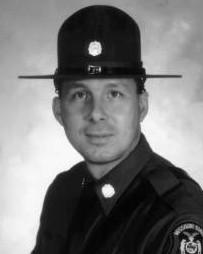
On October 6, 1999, forty-three-year-old Sergeant Robert Gene Kimberling, a dedicated fourteen-year veteran of the Missouri State Highway Patrol, was on duty in Buchanan County, Missouri. A report had been issued regarding a fuel theft from the Farris Truck Stop in Faucett, where a driver had left without paying for approximately twenty-five dollars worth of gasoline. Sergeant Kimberling spotted a vehicle matching the description of the suspect's car traveling on Interstate 29 and initiated a traffic stop just south of St. Joseph.
The driver of the vehicle was identified as Jason M. Friske, a man from Madison, Wisconsin, who was reportedly suffering from mental illness and was the subject of a search in his home state as a potential suicide threat. Unbeknownst to the sergeant, the information regarding Friske's suicidal status had been entered into the national database only moments before the stop and had not yet been relayed to him. As Sergeant Kimberling approached the passenger side of the stopped vehicle, Friske exited and walked toward the rear of his car. When he saw the trooper, Friske suddenly ran back to his open driver's side door and retrieved a. 357 caliber revolver.
Sergeant Kimberling pursued Friske to the driver's door, where a violent struggle for control of the weapon ensued. During the confrontation, Friske fired at the sergeant multiple times. Although Kimberling’s ballistic vest stopped two of the rounds, he was struck in the shoulder and chest, sustaining fatal injuries. Despite his wounds, Sergeant Kimberling managed to draw his service weapon and return fire, striking Friske twice in the lower extremities. The exchange of gunfire lasted less than one minute. Following the shootout, Friske used his final bullet to take his own life at the scene.
Emergency responders arrived to find a tragic scene on the roadside. Sergeant Kimberling was transported for medical attention but succumbed to his injuries. Because the sole suspect, Jason Friske, died by suicide at the scene, there were no subsequent arrests, trials, or convictions related to the murder. Sergeant Kimberling was survived by his wife and two young daughters, leaving behind a legacy of service to the state of Missouri.