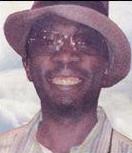
John Brookman Perry, 48, a White male, was part of a U.S. Marshals Service team that set out before dawn on March 8, 2011, to serve a felony arrest warrant at a residence on Osage Street in St. Louis, Missouri. The warrant was tied to allegations that included assault on a law enforcement officer and drug possession, and the operation involved multiple marshals alongside St. Louis police officers.
Inside the home, officers focused first on getting children out safely, moving them away from the looming tension at the center of the search. With the house partially cleared, the team began looking for the wanted man. Then the quiet broke—gunfire erupted from within, and Perry was struck. In the chaos that followed, at least two other officers were hit as well: another deputy marshal and a St. Louis police officer.
Authorities identified the shooter as Carlos Boles. As the standoff unfolded, Boles was ultimately shot and killed, ending the gun battle but not the damage it had already done. Perry was rushed to a local hospital, where he died later that day. ABC News reported he died around 7 p.m. at Saint Louis University Hospital, after suffering a gunshot wound during the attempted warrant service.
In the days after, details about Boles’ background emerged through reporting: he had previously served a lengthy prison sentence for an earlier assault case, and he had also been arrested again months before the shootout, facing charges that included marijuana possession, resisting arrest, and assaulting a police officer. Those prior cases framed him, in investigators’ eyes, as someone already on a collision course with law enforcement long before Osage Street.
Perry’s death was officially described as the result of gunshot wounds sustained in the line of duty while serving an arrest warrant in St. Louis. He had served with the U.S. Marshals Service for nearly a decade and was later honored with a posthumous promotion, remembered in court and memorial accounts not only as an officer on a fugitive task force, but as someone shaped by a lifetime spent around the federal courts he ultimately served.