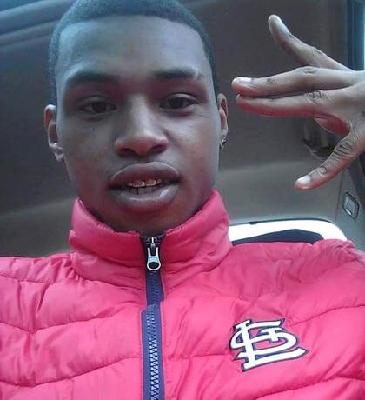
On the evening of April 25, 2016, 24-year-old Gabrielle D. Rhodes Jr., a male from Columbia, Missouri, was caught in a sudden burst of gunfire at the Deerfield Apartment Complex in the 1500 block of Sylvan Lane. Multiple callers reported shots fired just before 7:45 p.m., and when officers arrived they found Rhodes suffering from an apparent gunshot wound.
Medical personnel pronounced him dead at the scene as investigators fanned out through the complex, trying to sort witnesses from bystanders in what police described as a chaotic, emotionally charged aftermath.
From the start, the shooting felt tangled up with something earlier that same day. Court records and later reporting describe a dispute at the Boone County Courthouse that spilled into the streets, followed by a shooting near the Highway 63 and I-70 connector in the afternoon. Police and reporters later traced a rough timeline: an argument and threats at the courthouse, then gunfire from a vehicle near the connector that left two people injured and sent officers to Women and Children’s Hospital. At the time of Rhodes’ killing, police were still trying to determine whether the earlier shooting and the later homicide were connected—but in subsequent years investigators said they believe the incidents were directly related.
As the investigation unfolded, three men—Johnathan Banks, Joseph Luckett, and Lajuan Martin—became central figures in the day’s violence, though not in the way Rhodes’ family hoped. Reporting and police accounts indicate the three were taken into custody at the Sylvan Lane scene, and they were charged in connection with the Highway 63/I-70 connector shooting, including offenses tied to discharging a firearm from a moving vehicle and armed criminal action. But authorities did not file charges against them for Rhodes’ death, leaving the homicide itself without an arrest tied to the killing even as the earlier case moved through court.
Then, months later, the legal ground shifted again. Prosecutors ultimately dismissed the connector-shooting case against Banks, saying they no longer believed they could prove it beyond a reasonable doubt while also noting the investigation could be revisited. Separate reporting also describes an arrest the day after Rhodes’ death: Orlando Turner was taken into custody on suspicion of unlawful use of a weapon after police said they found him carrying a concealed handgun and that he admitted being at the scene minutes before the fatal shooting, though that arrest was described in connection with the weapon allegation rather than a homicide charge.
Over time, what remained was the outline of a tragedy with missing pieces: a young father remembered by his mother as fiercely loyal, a night when witnesses spoke of people running and panic spreading through the apartment complex, and investigators still believing that people close to the moment know what happened. Even years later, public updates continued to describe the killing as unsolved, with police still asking for information that could finally identify who pulled the trigger and why Rhodes ended up as the one who didn’t make it home.