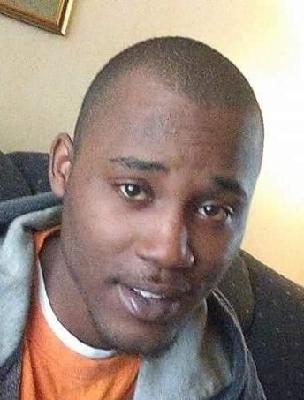
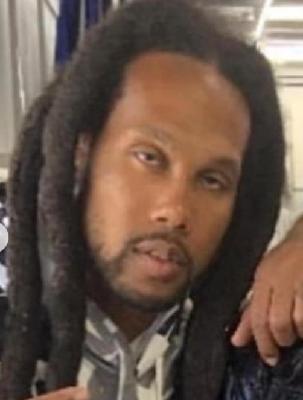
On the afternoon of October 3, 2016, a violent encounter in the 9300 block of Bales Avenue in Kansas City, Missouri, resulted in the death of 21-year-old Keith Montel Johnson. Officers responded to reports of gunfire around 2:00 p.m. and discovered Johnson suffering from gunshot wounds near a dumpster in the parking lot of an apartment complex. He was transported to a local hospital where he later succumbed to his injuries.
The initial investigation suggested suspicious circumstances, leading detectives to interview witnesses and review cell phone records that eventually pieced together a narrative of a robbery gone wrong.
According to court records and police statements, Johnson and an accomplice had conspired to rob individuals in a parked vehicle. Johnson allegedly approached the car brandishing a firearm and demanded property from the occupants. During the confrontation, one of the passengers in the vehicle fled with a backpack, prompting Johnson to give chase. In the ensuing moments, the fleeing individual, who was also armed, fired at Johnson, striking him fatally. The shooter later contacted authorities to provide a statement, claiming self-defense, and was not charged with the death.
Following the shooting, witnesses reported seeing a man, later identified as 22-year-old Cory J. Highsmith, briefly consoling the mortally wounded Johnson before fleeing the scene. Highsmith was apprehended by police shortly after running from the area. At the time of his arrest, he was found carrying a black hooded sweatshirt containing two handguns. Investigators determined that Highsmith had taken Johnson's weapon before escaping.
Prosecutors charged Cory J. Highsmith with second-degree murder, attempted first-degree robbery, and two counts of armed criminal action. Under Missouri's felony murder rule, Highsmith was held legally responsible for Johnson's death because it occurred during the commission of a dangerous felony in which he was a participant. The charges reflected the state's stance that Highsmith's involvement in the planned robbery directly precipitated the sequence of events that led to his accomplice's demise.