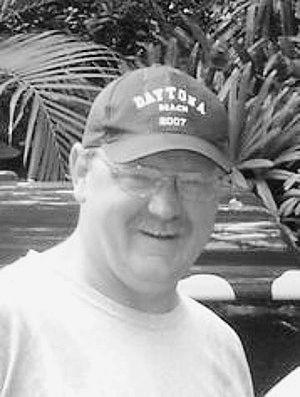
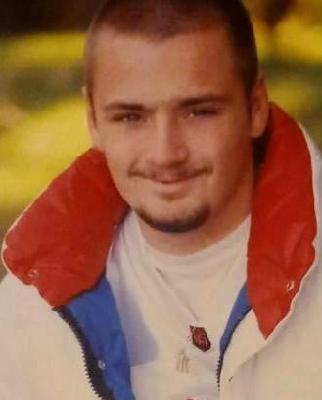
On March 3, 2017, police in Saint Joseph, Missouri, responded to a residence following reports of a shooting. Inside the home, officers discovered the body of 50-year-old Jeffrey Mason, a male who had suffered a fatal gunshot wound to the chest. The shooting took place in the couple's bedroom, where investigators found the victim and his wife, Angela Mason. A handgun was located on a dresser nearby.
Angela initially claimed that the incident was a tragic accident, asserting that she and her husband had been fighting when the weapon inadvertently discharged during a struggle.
Investigators, however, found evidence that contradicted the narrative of an accidental discharge. Angela Mason was subsequently arrested and charged in connection with her husband's death. During the legal proceedings, prosecutors argued that the killing was not accidental but rather a planned act. They presented evidence suggesting that Angela had fabricated a story of domestic abuse to justify her actions, including sending text messages to create a false paper trail of an argument. The prosecution contended that she had staged the scene and that her claims of being a battered spouse were an elaborate ruse designed to evade responsibility for the homicide.
The case went to trial in late 2019, where the defense painted a complex picture of the couple’s relationship. Angela’s legal team argued that the marriage was abusive and complicated by the fact that both individuals were privately struggling with issues related to their gender identity. The defense maintained that Angela was a survivor acting out of desperation rather than a criminal mastermind. Despite these arguments, the prosecution insisted that the physical evidence and her calculated behavior before and after the shooting pointed to intent.
In December 2019, a Buchanan County jury returned a verdict, acquitting Angela Mason of second-degree murder but finding her guilty of the lesser charge of voluntary manslaughter, as well as armed criminal action. In February 2020, she appeared for sentencing where she expressed remorse, admitting to the court that she pulled the trigger and accepted responsibility. The judge rejected a request to allow her sentences to run concurrently, instead ordering her to serve a total of 23 years in prison—13 years for the manslaughter conviction and a consecutive 10 years for the armed criminal action.