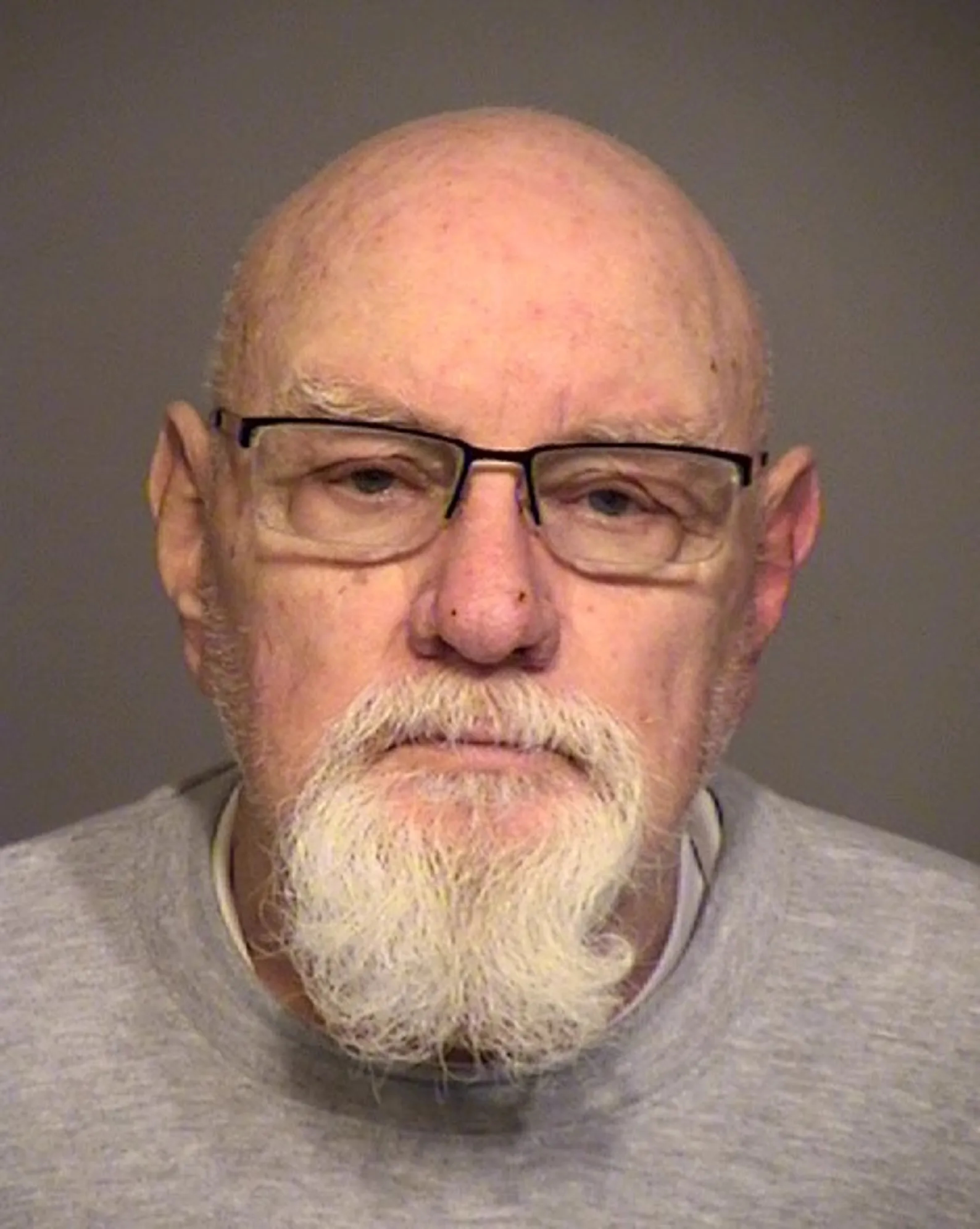
George Waterfield Russell: The Bellevue Serial Killer
Background and Criminal History
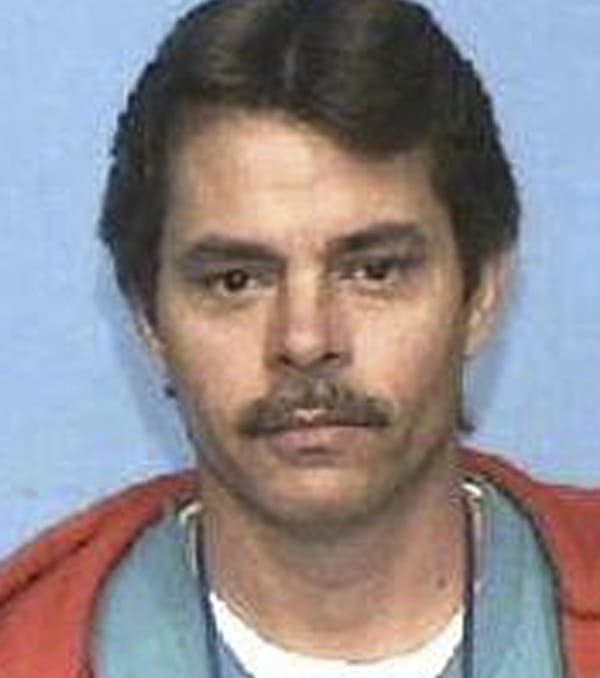
George Waterfield Russell Jr., sometimes called the “Bellevue Killer” or “Eastside Killer,” was convicted of murdering three women in and around Bellevue, Washington, during the summer of 1990. Russell moved to Washington as a child and grew up on Mercer Island, an affluent community east of Seattle. From an early age, he repeatedly came into contact with law enforcement for truancy, theft, burglary and other offenses. He became unusually familiar with police procedures and sometimes claimed to be an undercover officer, using that image to impress people and gain their confidence.
As an adult, Russell became a familiar figure in nightclubs, cocktail lounges and bars throughout Bellevue and the surrounding Eastside communities. He was known as an outgoing and persuasive man who could quickly become friendly with strangers. He frequently depended on acquaintances for transportation and housing, borrowing vehicles and staying in other people’s homes. Behind that sociable appearance, however, was a long pattern of theft, manipulation, hostility and increasingly disturbing conduct toward women.
The 1990 Murder Series
Russell’s three confirmed murders occurred between June and August 1990. Each victim was connected in some way to the Bellevue-area nightlife scene. Although the women were killed in different locations and by somewhat different methods, investigators found an extraordinary similarity in the way their bodies had been deliberately arranged after death. The victims had been left unclothed or partially clothed, sexually violated or degraded, and posed so they would shock the people who discovered them.
This deliberate staging became central to the prosecution’s case. Detectives and behavioral experts argued that the posing was not incidental but represented the killer’s distinctive signature. Prosecutors maintained that Russell was attempting to humiliate and control the victims even after their deaths. The unusual similarities helped authorities connect crimes that initially appeared to have occurred under different circumstances.
Confirmed Victims
- Mary Ann Pohlreich — June 22, 1990 — Bellevue, Washington: Mary Ann Pohlreich, 27, was spending the evening at Papagayo’s, a Bellevue nightclub, when she became separated from the friends with whom she had arrived. Witnesses later placed Russell near her during the final hours of her life. Her unclothed body was discovered in a dumpster enclosure near a restaurant and nightclub area in Bellevue. She had been severely beaten, manually strangled and kicked with tremendous force. Her body had been carefully arranged, with her limbs crossed and an object placed in her hands, creating an almost ceremonial appearance. Investigators determined that she had also been sexually violated after death.
- Carol Marie Beethe — August 8, 1990 — East Bellevue, Washington: Carol Beethe, 35, was a divorced mother of two who lived in an East Bellevue condominium. She was attacked in her bedroom while her children were inside the residence. She suffered repeated blows to the head and extensive injuries. Her killer placed a plastic garment bag around her head, removed most of her clothing and deliberately positioned her body on the bed. A rifle from the home was used to sexually degrade her body. Jewelry and containers of coins were missing from the residence. Her body was discovered after family members became concerned and entered the bedroom.
- Andrea “Randi” Levine — August 30, 1990 — Kingsgate area near Kirkland, Washington: Andrea Levine, 24, was killed inside her apartment in the Kingsgate area. She was attacked while in or near her bed and suffered devastating head injuries from an aluminum baseball bat. She was also stabbed numerous times after death. Her killer arranged her body in a sexually degrading pose, placed a sexual device in her mouth and positioned a book about sexuality beside her. A distinctive amethyst ring that Levine regularly wore was missing. Her body was not discovered until September 3, 1990, several days after her death.
The Investigation
Mary Ann Pohlreich’s murder initially presented investigators with a difficult case. She had spent the night drinking and socializing in a crowded public establishment, leaving police with numerous possible witnesses and suspects. Detectives learned that Russell had been at the club and had access to a friend’s pickup truck that night. When he returned the vehicle, its owner noticed a stain and a foul odor inside. Russell claimed that he had become sick in the truck, but investigators later recovered fibers and biological evidence that helped connect the vehicle, Russell and Pohlreich.
The murder of Carol Beethe intensified fears that a violent offender was operating in Bellevue. Russell knew Beethe and had visited her home. After her death, witnesses reported seeing him with jewelry resembling items taken from the residence. Investigators also learned that Russell had displayed an unsettling interest in newspaper coverage of the killings and had made statements suggesting that the murderer would never be caught.
Andrea Levine’s death provided additional evidence. A distinctive ring missing from her apartment was traced to Russell after he gave it to a female acquaintance. The ring was later located in a pawnshop. Investigators also found similarities in physical evidence recovered from the three victims and the places connected to Russell. Hair, fibers, blood evidence and semen testing were used to build a circumstantial but extensive case against him.
The Signature of the Crimes
The three women were not killed in exactly the same manner. Pohlreich was killed outside and left near a commercial parking area, while Beethe and Levine were attacked inside their homes. The weapons and injuries also differed. Defense attorneys later argued that those differences suggested separate killers.
Prosecutors responded that the killer’s signature was more important than his method. In each case, the victim’s body had been intentionally posed, sexually degraded and arranged to create a disturbing visual scene. The positioning appeared designed for whoever would eventually discover the victim. Experts testified that this type of postmortem staging was extremely rare and strongly indicated that the same offender was responsible for all three crimes.
The prosecution portrayed Russell as a man driven by resentment, sexual hostility and a need for control. Investigators believed that he used his familiarity with Bellevue’s nightlife and his ability to appear friendly to approach women without immediately alarming them. The attacks then became expressions of domination, with the posing of the bodies serving as a final display of power.
Arrest and Charges
Russell was taken into custody in September 1990 on outstanding misdemeanor warrants while detectives continued assembling the murder case. He was ultimately charged with the first-degree murder of Mary Ann Pohlreich and the aggravated first-degree murders of Carol Beethe and Andrea Levine. Aggravating circumstances were alleged in the Beethe and Levine cases because the two women were killed during crimes committed inside their homes.
The case was significant because investigators were attempting to prove that three murders involving different weapons and locations were the work of one serial offender. The evidence included witness testimony, Russell’s movements, property taken from the victims, biological material, fibers, blood evidence and the distinctive similarities between the crime scenes.
Trial and Conviction
Russell’s trial began in Seattle in September 1991. Prosecutors Rebecca Roe and Jeffrey Baird presented the three murders as parts of a single pattern. The defense challenged the reliability of the scientific testing and argued that other suspects, including people who had been personally involved with the victims, had not been adequately excluded.
One of the most important issues was the admission of DNA evidence produced through polymerase chain reaction testing, commonly called PCR. At the time, this form of forensic DNA analysis was still relatively new in Washington courtrooms. Prosecutors used the testing alongside blood types, hair comparisons, fiber evidence and witness accounts to demonstrate Russell’s connection to the victims.
Behavioral experts also testified about the deliberate positioning of the bodies. The prosecution argued that the poses were so rare and distinctive that they functioned like a psychological fingerprint. The defense brought its own expert, who emphasized differences among the killings and disputed the claim that one person necessarily committed all three murders.
After lengthy deliberations, the jury rejected Russell’s denials. In October 1991, he was found guilty of first-degree murder in the death of Mary Ann Pohlreich and aggravated first-degree murder in the deaths of Carol Beethe and Andrea Levine.
Sentence and Appeal
Russell was sentenced to life imprisonment without the possibility of parole for the aggravated murders, along with a life sentence for Pohlreich’s murder. Because prosecutors did not seek the death penalty, the sentence ensured that he would remain confined for the rest of his life.
Russell appealed his convictions, challenging the DNA evidence, the decision to try the three murder charges together, the testimony concerning the posed bodies and several other rulings. In 1994, the Washington Supreme Court affirmed the convictions. The court concluded that the scientific evidence had been properly admitted and that the similarities among the three crime scenes were relevant to proving that one offender committed all of the murders.
Legacy of the Case
The prosecution of George Waterfield Russell became one of Washington State’s most notable serial-murder cases. It demonstrated how investigators could connect apparently different crimes through behavioral evidence, crime-scene staging and developing forensic technology. The deliberate posing of the victims was especially important because it revealed a repeated psychological compulsion that went beyond the practical method used to kill.
Mary Ann Pohlreich, Carol Beethe and Andrea Levine were three individual women whose lives were cut short during a concentrated period of violence. Their murders caused widespread fear throughout Bellevue and neighboring Eastside communities, particularly among women who frequented the same clubs and social settings as Russell. His conviction brought legal closure to the cases, but the unusual cruelty and calculated degradation associated with the murders have continued to make the case one of the most disturbing chapters in Washington criminal history.