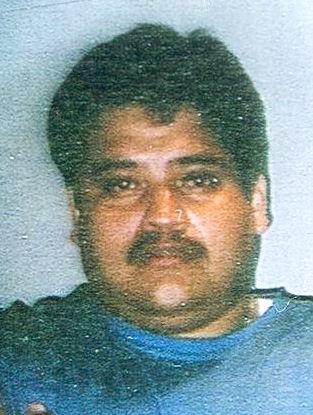
In the quiet neighborhood of Brookside Manor in Goshen, Indiana, a grim discovery was made on March 13, 2016. Forty-three-year-old Marco Carmona-Gonzalez, a Hispanic male, was found dead inside a residence alongside 27-year-old Jose Nava-Orozco. Both men had been shot multiple times in what was quickly determined to be a double homicide. The violent nature of their deaths sent ripples of concern through the community and launched an intensive investigation by the Goshen Police Department.
The family of Marco Carmona-Gonzalez was left in shock and disbelief. Described as a hardworking and humble man, his loved ones could not fathom why anyone would target him. His wife tearfully recounted that he was a cautious man with no known enemies or criminal history, not even so much as a parking ticket. The family, including his 14-year-old daughter, was completely distraught as they struggled to understand the senseless act of violence that had taken their loved one. While they grappled with their grief, they also faced the financial burden of returning his body to his native Mexico for burial.
The investigation into the double murder soon pointed towards a gang-related motive. Within a week of the discovery, authorities arrested two suspects: 22-year-old Diego Armando Ramos and 19-year-old Luis Alberto Rivas. Both were charged with two counts of murder. The evidence against them appeared to be mounting. Investigators found that a cell phone belonging to Rivas had been used to search for images of Jose Nava-Orozco shortly before the killings. Furthermore, Ramos had reportedly informed his mother of Nava-Orozco's death before the police had publicly released the victims' identities.
Forensic evidence also played a significant role in the case against the two men. Bullet casings recovered from the crime scene were a match to those found in Ramos's home and vehicle. These casings were also linked to a weapon that Ramos had been seen firing in an unrelated incident months prior. Despite the evidence stacked against them and their denials of any involvement, the two suspects were held without bond. The case proceeded to an initial hearing in Elkhart Circuit Court on March 24, 2016.
The legal proceedings took an unexpected turn in February 2017. In a bench trial, a judge found Diego Ramos not guilty of the murders. His co-defendant, Luis Alberto Rivas, had his murder charges dismissed and instead pleaded guilty to two lesser charges of assisting a criminal. The acquittal of the primary suspect left many questions unanswered and highlighted the complexities of prosecuting such cases. The community and the families of the victims were left to grapple with a justice system that had not delivered the closure they had so desperately sought.