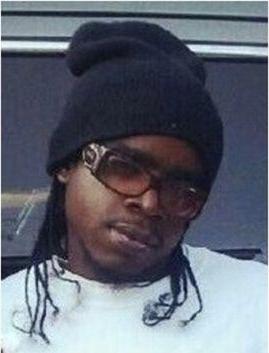
Phillip O. Nikolenko was a 26-year-old White man who died just after midnight on May 10, 2014, in the heart of downtown Richmond, Virginia, inside the American Heritage Apartments on East Main Street near the state Capitol. In the earliest hours of Saturday morning, dispatchers began taking multiple calls reporting gunfire at the building, and officers rushed to the address as the echoes of shots settled into the stairwells and corridors.
Police found two men on an upper-floor hallway, both suffering from gunshot wounds. Nikolenko was pronounced dead at the scene, his life ending there in the narrow, hard-lit passage outside the apartments. The second man was taken to VCU Medical Center with injuries described at the time as life-threatening, as detectives began piecing together what had unfolded inside the building.
The initial public reports focused on the stark facts: a hallway shooting, one dead, one gravely hurt. But later court records tied to the incident described a confrontation that started outside, in the street, where words were exchanged. According to those records, the dispute didn’t end when one side tried to walk away; it moved with urgency into the apartment building itself, up through the shared spaces that are supposed to feel safe, and toward one resident’s door.
In that account, the confrontation escalated into a physical fight in the hallway leading to the apartment of Quinn E. Hazelwood. The court record describes Hazelwood being pursued into the building and attacked, and then shooting both men during the altercation, framing the gunfire as an act of self-defense. Nikolenko’s wounds proved fatal; the other man, identified in those same records as George A. Gapanovitch, survived.
An arrest came immediately. Officers took Hazelwood into custody at the scene and charged him with voluntary manslaughter. The case left the city with a death investigation to finish and a tight, violent timeline to reconstruct—an argument, a pursuit, a struggle, and gunfire that turned a residential hallway into a crime scene.
In the years that followed, the aftermath surfaced in court in a different way: civil litigation between Hazelwood and Gapanovitch over the same encounter. That later case revisited the night’s sequence in legal language—assault and battery claims, arguments over what damages were truly caused by the fight, and how far the consequences of that hallway brawl could reasonably extend. The paper trail made clear that the shooting didn’t simply vanish into the past; it continued to reverberate through courtrooms long after the building’s hallway had been cleaned and repainted.
Away from the courthouse, friends remembered Nikolenko in the way communities often try to hold onto someone after a sudden death—by talking about the roles he played when he was alive. Fundraising appeals described him as a father and a larger-than-life presence in the local automotive scene, someone whose name and nickname were woven into a circle of car enthusiasts and a shop that felt like a second home to the people around him. For those who loved him, the night he died wasn’t just a case file—it was the moment a familiar voice went quiet, leaving shock, grief, and a long, unsettled silence in its place.