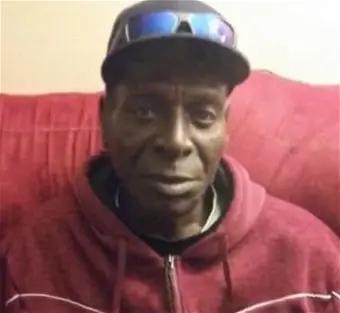
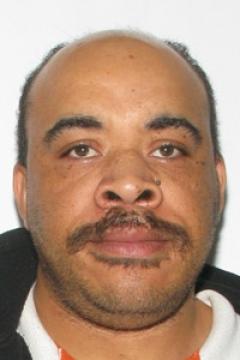
Christopher Lomont Jones was a 34-year-old man from Hopewell, Virginia, whose life ended on Thursday, December 17, 2015, at John Randolph Medical Center in Hopewell. The only widely available public notice of his passing is a brief obituary entry that records the date and place of death without describing what happened in the hours leading up to it, leaving the circumstances outside the hospital doors largely unstated in the public record.
In the days that followed, the traces of him that remain online read like a quiet handoff from shock to ritual: professional arrangements were entrusted to Bland & Tucker Funeral Home at 1500 Arlington Road in Hopewell, and loved ones were directed to leave condolences through the funeral home’s channels. The wording offers no narrative beyond the fact of loss—no mention of an incident scene, no description of injuries, no public accounting of how he came to be at the medical center where he died.
Separate from the obituary, his name also appears in an online gun-violence memorial entry that lists him—using the name Christopher Lamont “Peety” Jones—as having been “lost to gun violence” on the same date in Hopewell. That memorial page points outward to news coverage and a Gun Violence Archive entry, suggesting there was reporting at the time, but the memorial itself does not provide the underlying details of the event, such as where in the city it occurred, what precipitated it, or who might have been involved.
Across the accessible public sources that could be retrieved, there are no confirmed, citable specifics about arrests, named suspects, formal charges, a trial, or a conviction tied to his death—only the bare facts of when and where he died, and a secondary memorial listing that frames it as gun violence while still withholding the story’s missing middle. The result is a case that, in the open online record, reads like a chapter with its most important pages torn out: a man gone, a city named, a hospital recorded, and then silence where answers would normally be.