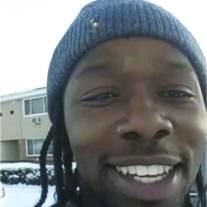
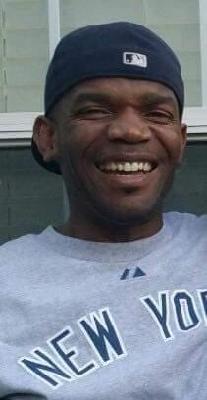
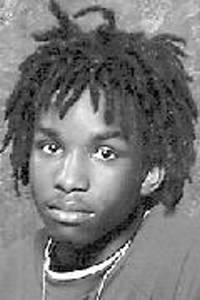
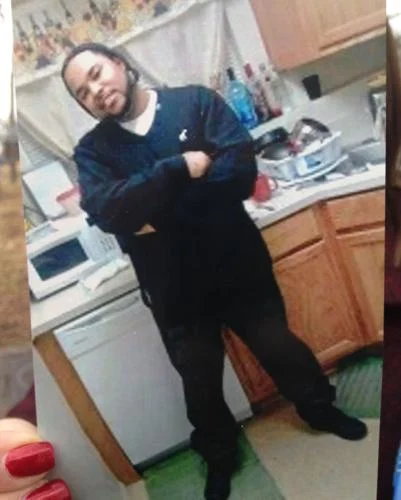
In the spring of 2018, the life of 17-year-old DMarcus Antwyne Hooper Jr., a Black male, was tragically cut short in a burst of gunfire. On the evening of March 7th, in Richmond, Virginia's Mosby Court neighborhood, a dispute escalated to violence, leaving Hooper with a gunshot wound to the head. He was rushed to VCU Medical Center, where he fought for his life for two days before succumbing to his injuries on March 9, 2018.
The vibrant teenager, known for his love of life and outgoing personality, was a student in the Richmond school district and also worked at a local Burger King.
The investigation into Hooper's death led to the arrests of two other teenagers, Quincy T. Williams, who was 17 at the time of the shooting, and Shamon J. Taylor, then 18. The incident that claimed Hooper's life also left another 18-year-old injured. Prosecutors detailed a confrontation that spiraled out of control, culminating in the fatal shooting. Williams was identified as the gunman in Hooper's death.
Both Williams and Taylor were charged as adults for their roles in the violent encounter. In a move to avoid a full trial, Quincy T. Williams entered a guilty plea to charges of first-degree murder, malicious wounding, and two counts of using a firearm in the commission of a felony. This plea was part of an agreement that set a cap on his potential prison sentence. Following his plea, Williams was sentenced to a total of 63 years in prison, with 30 years of that sentence suspended, leaving him with 33 years to serve.
Shamon J. Taylor also faced the legal consequences of his involvement in the events of that tragic day. He pleaded guilty to a lesser charge of being an accessory to murder after the fact. For his role, Taylor received a five-year prison sentence. The resolution of the court cases brought a measure of justice for the senseless killing of a young man on the cusp of adulthood, though it could never erase the profound loss felt by his family and friends.