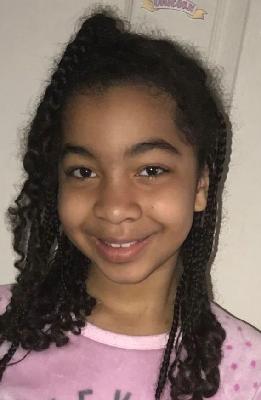
Alexis Ebony Allen, a 21-year-old Black woman, came to Norfolk carrying the kind of hope that looks ordinary until it’s tested: a fresh start, two small children depending on her, and plans that were finally beginning to feel solid. People close to her said she’d relocated from New Jersey and had been staying with a local resident after leaving a harmful situation behind, trying to build something safer and steadier.
She had just lined up work caring for seniors and was supposed to start that new job two days later, on August 23, 2019—one of those small calendar squares that, for her, meant momentum and a different future.
Just after midnight on August 21, 2019, that future collapsed on Maltby Avenue. Police were called to the 2200 block for a gunshot disturbance, and when officers arrived they found Allen suffering from a gunshot wound and pronounced dead at the scene. In the same burst of violence, a 33-year-old man was also shot and taken to Sentara Norfolk General Hospital with injuries reported as not life-threatening, and another person—described as a 22-year-old—later arrived at the same hospital with injuries tied to the same location. A resident in the area later described Allen making it into a nearby house after being shot, reaching out for help as the homeowner tried desperately to keep her alive until first responders arrived, only to watch her fade there in the living room.
As the first hours of the morning unfolded, detectives moved quickly and arrests followed. Robert L. Stewart of Mechanicsville and Troy M. Camps of Norfolk were taken into custody, and police said both were being held in the Norfolk City Jail without bond while the case began its march through court. Stewart was charged with second-degree murder, malicious wounding, and two counts of using a firearm in the commission of a felony; Camps was charged with malicious wounding and using a firearm in the commission of a felony. Early on, authorities did not publicly release a motive or a clear explanation for what sparked the shooting, leaving family and neighbors to fill the silence with questions.
Months later, the story took a sharp legal turn that reshaped who the system was pointing at. Prosecutors withdrew the charges against Stewart in February 2020; reporting described the court action as a nolle prosequi—meaning the case against him was discontinued at that time, though the option to bring charges back could remain if new evidence emerged. In an update tied to the case, evidence was cited indicating Stewart fired only after being shot at and after his friend had been wounded. Stewart publicly maintained he was innocent and described having spent months in jail before his release.
That left the case in an uneven, unsettled place: a young mother’s life ended on a residential block in the first minutes of a new day, one suspect’s most serious charges erased from the docket, and the other suspect still facing charges connected to the gunfire and injuries from that night. The public record in reporting captured the immediate facts—where it happened, who was hurt, who was arrested, and what charges rose and fell—but not the full why, the deeper sequence of events, or a courtroom conclusion that could neatly close the file.