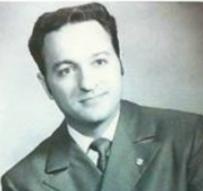
Major Benjamin “The Maj” Coxson, a 44-year-old Black African American male, moved in public life between politics, civil rights activism, and the criminal underworld, cultivating the image of a flamboyant power broker as he settled into his modern home on Barbara Drive in Cherry Hill, New Jersey. Once a candidate for mayor of Camden and a familiar face in the media, he was known for driving expensive cars, hosting lavish gatherings, and maintaining ties that stretched from local community leaders to powerful organized crime figures, even as his arrest record for fraud and theft grew in the background.
In the early hours of June 8, 1973, the quiet of his Cherry Hill neighborhood was broken when a car pulled up outside his residence. According to surviving witnesses, several men arrived in a Cadillac around 4 a.m., honked the horn, and were let into the house, suggesting they were familiar and expected guests rather than intruders forcing their way in.
Once inside, the tone shifted from conversation to terror: the occupants of the home were tied up and shot in what investigators would later describe as a gangland-style execution. Coxson was found in his bedroom, mortally wounded, and he died from his injuries. His companion, Louise Luby, and her teenage daughter, Lita, were also killed. Another child in the house, a 13-year-old boy, managed to escape by breaking through a glass door and fleeing to a neighbor's home, an act that not only saved his life but brought police racing to the scene.
As detectives sifted through the bloodstained home, they quickly discounted the idea of a random burglary gone wrong. Law enforcement and underworld sources converged on a darker explanation: Coxson had long functioned as an intermediary and financier in narcotics deals linking organized crime in Philadelphia and New York, and he was alleged to have failed in brokering a major heroin transaction between New York Mafia interests and a Philadelphia-based Muslim or Black Mafia–aligned organization. In this telling, the men who arrived at his door that morning were not there by chance; they were the enforcers sent when debts, promises, and reputations in the drug trade could no longer be balanced. Over time, accounts from police intelligence, journalists, and criminal associates reinforced the view that the killing was a calculated execution meant both to settle scores and to send a message within the clandestine networks in which Coxson operated.
Investigators did identify suspects, and their names carried weight in Philadelphia's criminal world. Two prominent figures, Ronald Harvey and Samuel Christian, both associated with the Philadelphia Black Mafia, emerged as leading suspects. Federal authorities considered the case serious enough that each man, at different times, was placed on the FBI Ten Most Wanted Fugitives list for alleged involvement in the Coxson murders, and Harvey was indicted on multiple counts tied to the attack, with an extraordinarily high bail reflecting the gravity of the accusations. Yet, despite the attention and the dramatic charges, the case faltered in courtrooms and grand juries. Witnesses were reluctant to testify, fearful of retaliation, and key evidence never translated into a successful prosecution. Harvey would later be convicted in an unrelated massacre in Washington, D.C., while Christian also faced serious criminal proceedings, but neither man was ultimately convicted for the Cherry Hill killings. Decades later, the slaying of Major Benjamin Coxson remains officially unsolved, his death one of the most notorious but unresolved gangland executions in New Jersey's history.