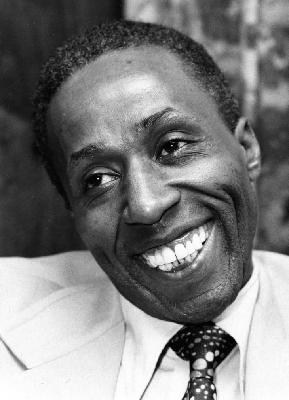
On the afternoon of June 21, 1972, Theodore G. Hall, a 38-year-old man from Willingboro, New Jersey, was at the Heritage House office building on Kings Highway in Cherry Hill when an ordinary workday turned into a massacre. He was inside the offices of Key Personnel, Inc., an employment agency housed on the first floor, when a disgruntled former client arrived with an arsenal and a grudge that would end six men’s lives, including Hall’s.
Shortly after 2:30 p.m., Edwin James Grace, an off-duty Pinkerton guard from Brooklyn, parked his Volkswagen behind the two-story Heritage building at 383 Kings Highway. Armed with two sawed-off. 22-caliber rifles and carrying a large supply of ammunition, he entered through a rear door and made his way to the Key Personnel reception area. Grace had used the agency while trying to secure work as a security guard and, according to later reporting, had become consumed with anger over their failure to find him a job.
Witness accounts describe how he raised his weapon without warning and shot the receptionist, then turned his guns on the other men in the office while chaos erupted around him. As employees begged for their lives, Grace methodically reloaded and moved from room to room, targeting male workers and waving women out of his line of fire. Some people escaped by diving through first- and second-floor windows into the June air outside, while others tried to hide behind desks and in interior offices as the sharp cracks of gunfire echoed through the building’s corridors.
In that confusion, Hall was struck in the head by a bullet. He was gravely wounded but still alive when rescuers reached him, one of several men pulled from blood-spattered offices and rushed to Cherry Hill Medical Center. Doctors fought to save him, but his injuries were too severe; he died later that same day from the gunshot wound, his name added to the growing list of victims of what would be remembered as the Cherry Hill office-building shooting.
Back at Heritage House, the scene outside had turned into a siege. Tenants who had managed to escape alerted authorities, and police quickly surrounded the structure, bombarding it with tear gas as they tried to determine whether the gunman was still moving through the halls. When officers finally entered, stepping past shattered glass and overturned office furniture, they discovered Grace in a basement office, wounded by a self-inflicted shot behind the ear. He was transported to the hospital, where he initially clung to life but ultimately died on July 8, 1972, never facing trial for the attack.
When the shooting stopped and the toll was counted, Grace had used his rifles to shoot twelve men, killing six and wounding six others. Hall was among those who initially survived long enough to reach medical care, but his death in the hospital made him one of the six homicide victims that day, alongside other men whose names now appear with his on memorial lists of the Cherry Hill mass shooting.
Investigators quickly identified Grace as the sole perpetrator. Contemporary reports and later summaries consistently describe him as acting alone, driven by resentment toward Key Personnel, Inc. for perceived mistreatment and failure to secure employment. Police found a map in his car marked with large X’s over Cherry Hill and nearby Pennsauken, along with additional weapons parts and ammunition in the hotel room where he had been living, evidence that the attack had been planned rather than impulsive. With the gunman fatally injured by his own hand and no indication of accomplices, there were no arrests in Hall’s killing, and no other suspects were publicly named in connection with the case.
Today, Theodore G. Hall’s story is preserved mostly in brief entries and victim rolls: a name, an age, a date, and the note that he was lost to gun violence in Cherry Hill on June 21, 1972. He appears on gun-violence memorial sites and in compilations of mass-shooting victims from that day, listed alongside the other men who never came home from work. Behind that sparse record lies the fuller story of a man who walked into an office building on an ordinary Wednesday and became, in a matter of minutes, both a victim of a workplace gunman and a symbol of how quickly everyday life can be shattered by a single violent act.