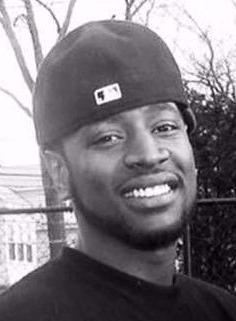
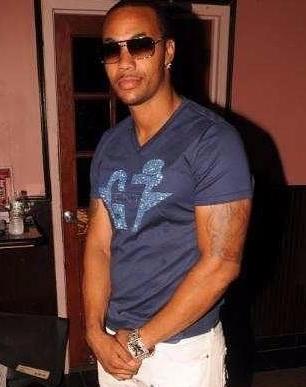
On a cool November evening in Newark, 19-year-old Teshaun Quinones, a Black / African American male, moved through a city he knew well, in the neighborhood where he lived with family and friends. Public records list him as a Newark resident, born in the summer of 1997 and dead before that year’s first snow had settled, his life formally reduced to dates and a cause of death in the state index.
Long before those records were compiled, though, people around him knew him by warmer names: online memorials remember him as “Tweak” or “Tee Tee,” someone described as funny, goofy, sweet, and happy, a young person tied to Newark’s Campus High School and to a tight circle of relatives and friends who would later fill the internet with brief, aching messages: “I love you forever,” “I miss you my boy.”
On November 10, 2016, that ordinary evening was broken by gunfire on the city’s West Ward. Around 7:45 p.m., police were dispatched to the 60’s block of Milford Avenue after shots were reported; officers arrived to find a male victim lying wounded from gunfire, and he was pronounced dead at the scene. Later summaries would identify the victim as Teshaun and describe the shooting as a targeted attack, not a random burst of violence. The timing, the location, and the suddenness of it all left the impression of a life cut off mid-trajectory—one minute a teenager heading into the night, the next a homicide scene marked out in police tape and floodlights as investigators tried to reconstruct what had happened on that block in the span of just a few seconds.
In the hours and days that followed, the investigation passed into the hands of the Essex County Prosecutor’s Office and its Homicide/Major Crimes Task Force, who were already on the scene that night and began the slow, methodical work of canvassing the area, interviewing those who might have heard or seen something, and piecing together any hint of motive or opportunity. Public summaries now describe the inquiry as extensive, reflecting the resources poured into trying to determine who had set out to kill Teshaun and why. Yet the open sources that still discuss the case do not name a suspect, do not describe charges, and do not report an arrest tied directly to his death, leaving anyone looking back through those records with the sense of an investigation whose inner details remain largely sealed in official files, if they exist at all.
Years later, Teshaun’s story continues mostly in fragments scattered across the internet: a dedicated memorial page noting that he was “lost to gun violence” in Newark on that date, a list of nicknames, a single school name, and a chorus of brief tributes from people who clearly knew him as far more than a statistic. On a separate forum, strangers and advocates discuss his case alongside others from the city, wondering aloud how his family has managed to navigate the loss and what support, if any, they have received as time has moved on. Together, those small pieces sketch a picture of a young life that was embedded in a community—someone who made people laugh, who walked the same Newark streets every day—before a few moments of violence on Milford Avenue turned him into the subject of a homicide file and a permanent entry on lists of those taken by gunfire.